24 hr
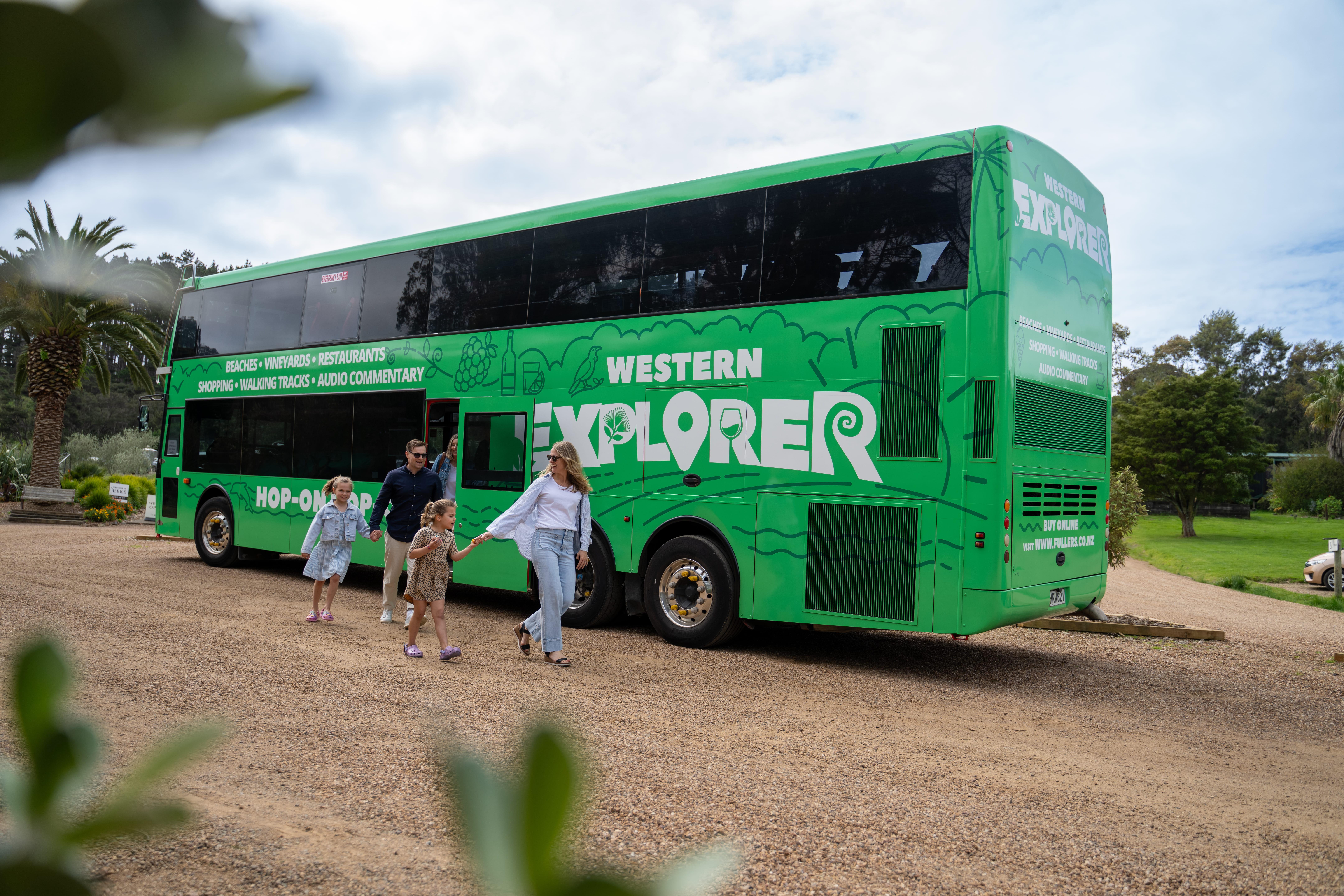
Waiheke Island Ferry & Hop-On Hop-Off Bus Explorer
- Expert local guide
- Small group
- Skip-the-line access
- Free cancellation
Waiheke Island Tours — Vineyard Circuits & Coastal Routes from Matiatia
Ferry wake behind you, olive terraces ahead by noon.
Compare fares, pick the fit — all bookings are mobile-voucher and eligible for free cancellation where shown.
24 hr
40 min
6 hr
| Experience | Duration | Rating | Skip-the-line | Guide | Small group | Free cancel. | Price | |
|---|---|---|---|---|---|---|---|---|
|
Guided Experience
Most popular
Waiheke Island Ferry & Hop-On Hop-Off Bus Explorer
|
24 hr | ★ 4.6 | ✓ | ✓ | ✓ | ✓ | €50 | Book → |
|
Standard Entry
Auckland to Waiheke Island Return Fast Ferry Ticket
|
40 min | ★ 4.7 | — | — | — | ✓ | €32 | Book → |
|
Guided Experience
Waiheke Island Vineyard Day Trip from Auckland
|
6 hr | ★ 4.7 | ✓ | ✓ | ✓ | ✓ | €94 | Book → |
Worth it for wine-focused day-trippers without a car
There is no gate fee here — 0 NZD — because Waiheke Island Tours prices everything per tour, booked directly rather than at a turnstile. What you are buying is not entry but logistics: a guaranteed Matiatia Wharf pickup timed to the morning ferry, and a driver who knows which cellar doors open their back rooms to guides. Run the DIY maths honestly. The public bus is cheap but strands you between vineyards on hilly roads; an e-bike turns tasting into a hazard; a rental car forces one person to spit everything out. A guided Waiheke Island tour removes that trade-off entirely. Waiheke Island Tours tickets pay off hardest for couples and small groups who want olive groves, maritime views and three or four estates in one crossing. Solo travellers on a tight budget, or anyone already staying overnight with wheels, will find the value thinner.
Bottom line: If you are crossing from Auckland for the day without a car, Waiheke Island Tours tours earn their price in access and freed-up drinking; if you are staying the week with wheels, skip them.
Waiheke Island Tours suits travelers who want a guided, small-group day booked directly with an operator, while Fullers360's hop-on hop-off bus suits self-directed sightseers who bought a ferry-and-bus combo online. Most visitors comparing Waiheke Island Tours against the bus pick the former when they want a set itinerary and live commentary rather than independent stop-hopping.
|
Top pick Waiheke Island Tours |
Fullers360 Hop-On Hop-Off Bus | |
|---|---|---|
| How you book it | Direct with operator, +64 800 672 748 or website | Online via Fullers360/Bookme bundle |
| Ferry included or separate | Separate — tour priced apart from ferry | Included in ticket price |
| Group size and pace | Small group, set guided pace | Open bus, unlimited daily riders |
| Guide format | Live guide throughout the tour | Onboard host, driving commentary |
| Flexibility to linger | Fixed stops set by guide's route | Hop off anywhere, rejoin next bus |
| Best for | Curated wine and sightseeing route | Independent, pick-your-own-stops day |
| See tickets & prices |
Verdict: Choose Waiheke Island Tours for a guided, small-group day with a fixed route, and Fullers360's bus if you want ferry-inclusive pricing and the freedom to hop off wherever you like.
Hand-picked experiences loved by thousands of travelers
3 hours
Free Cancellation
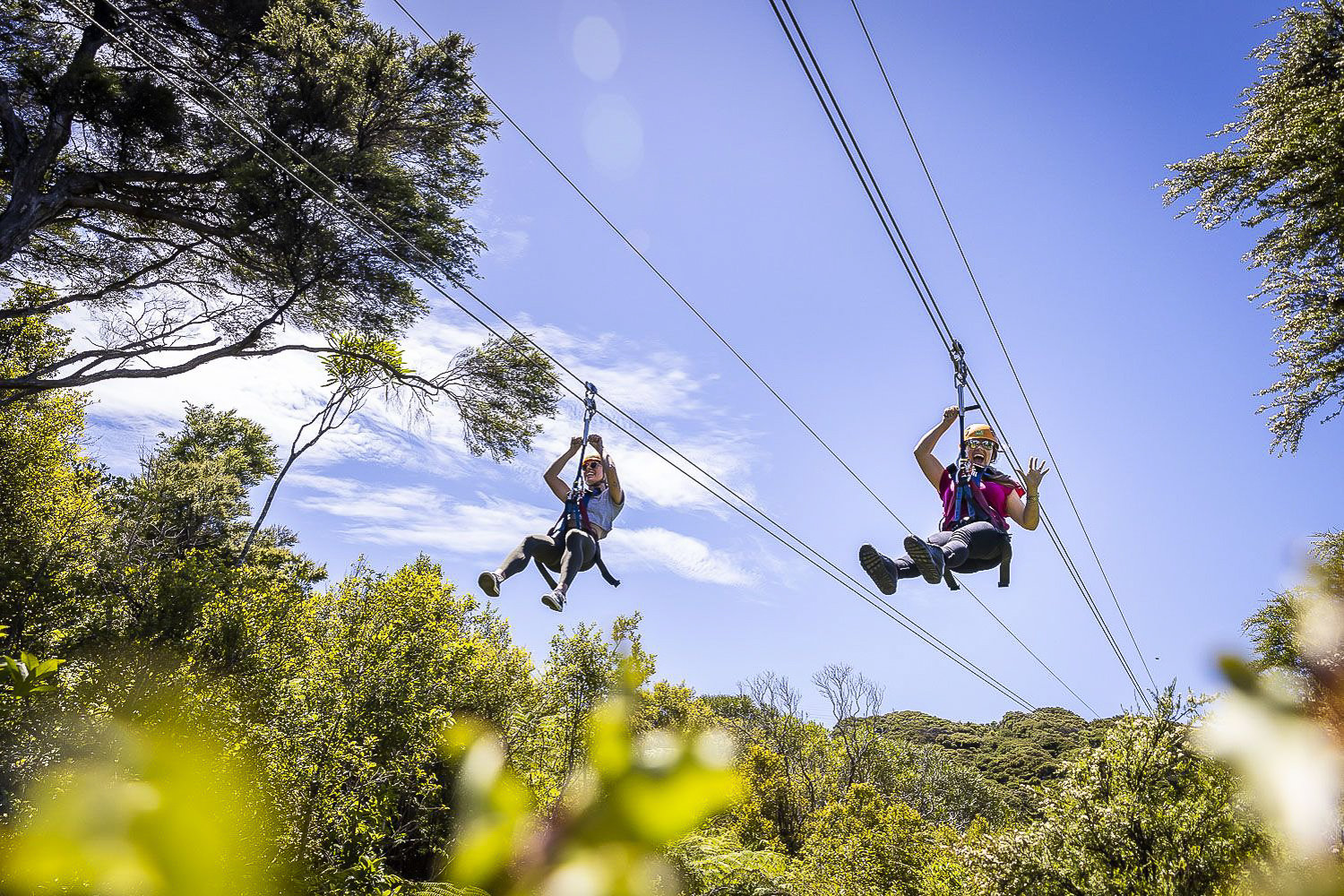
Zip side-by-side over vineyards and native bush on Waiheke, with Hauraki Gulf views.
5 hours
Free Cancellation
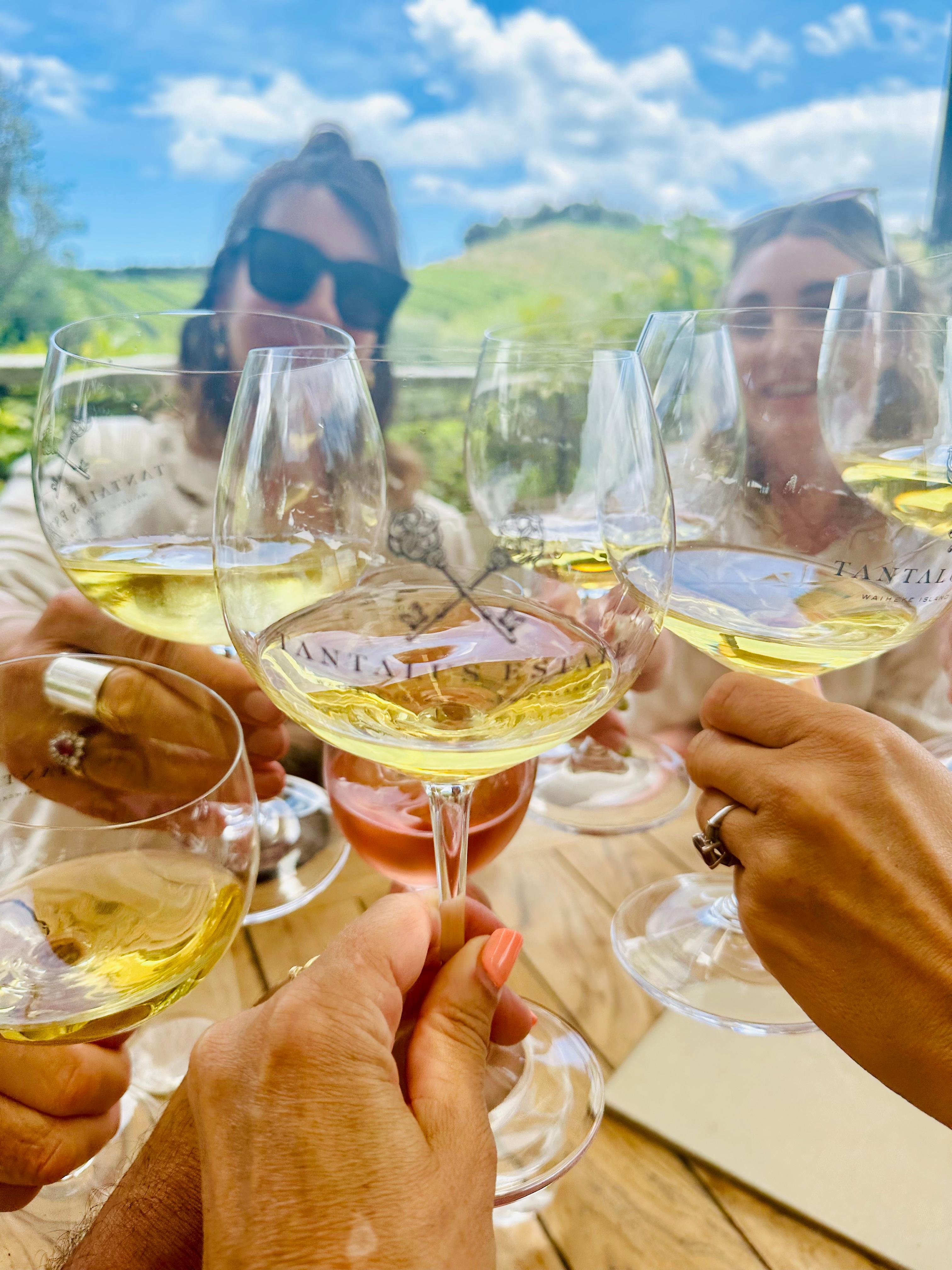
A 5-hour escape to Waiheke Island: three boutique vineyards, sommelier-guided tastings, and lunch by the sea.
5 hours
Free Cancellation
A relaxed 5-hour vineyard hop across Waiheke Island with a local Kiwi guide and lunch at Batch Winery.
5 hours
Free Cancellation
A full-day taste of Waiheke: three vineyards, oysters, olive oil, whisky and a family-style lunch among the vines.
6 hours
Free Cancellation
Ferry over to Waiheke and sip your way through three boutique vineyards on a relaxed, small-group day trip.
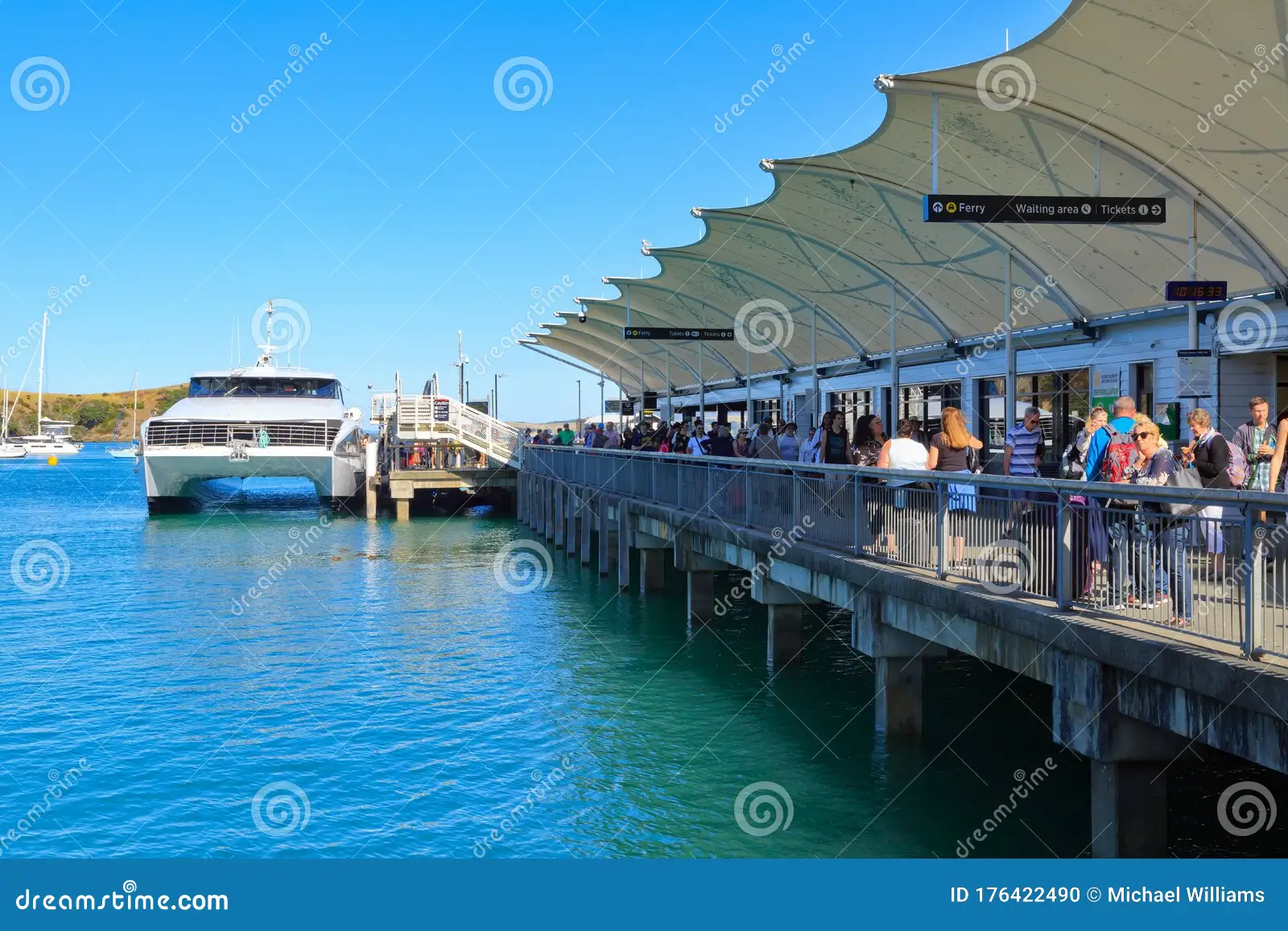
Passengers disembark at Matiatia Wharf on the 10:00 am ferry from Auckland ahead of pickup
Guide meets the group at Matiatia Wharf for the 10:00–10:30 pickup window
Guided tasting at the first vineyard on the day's route
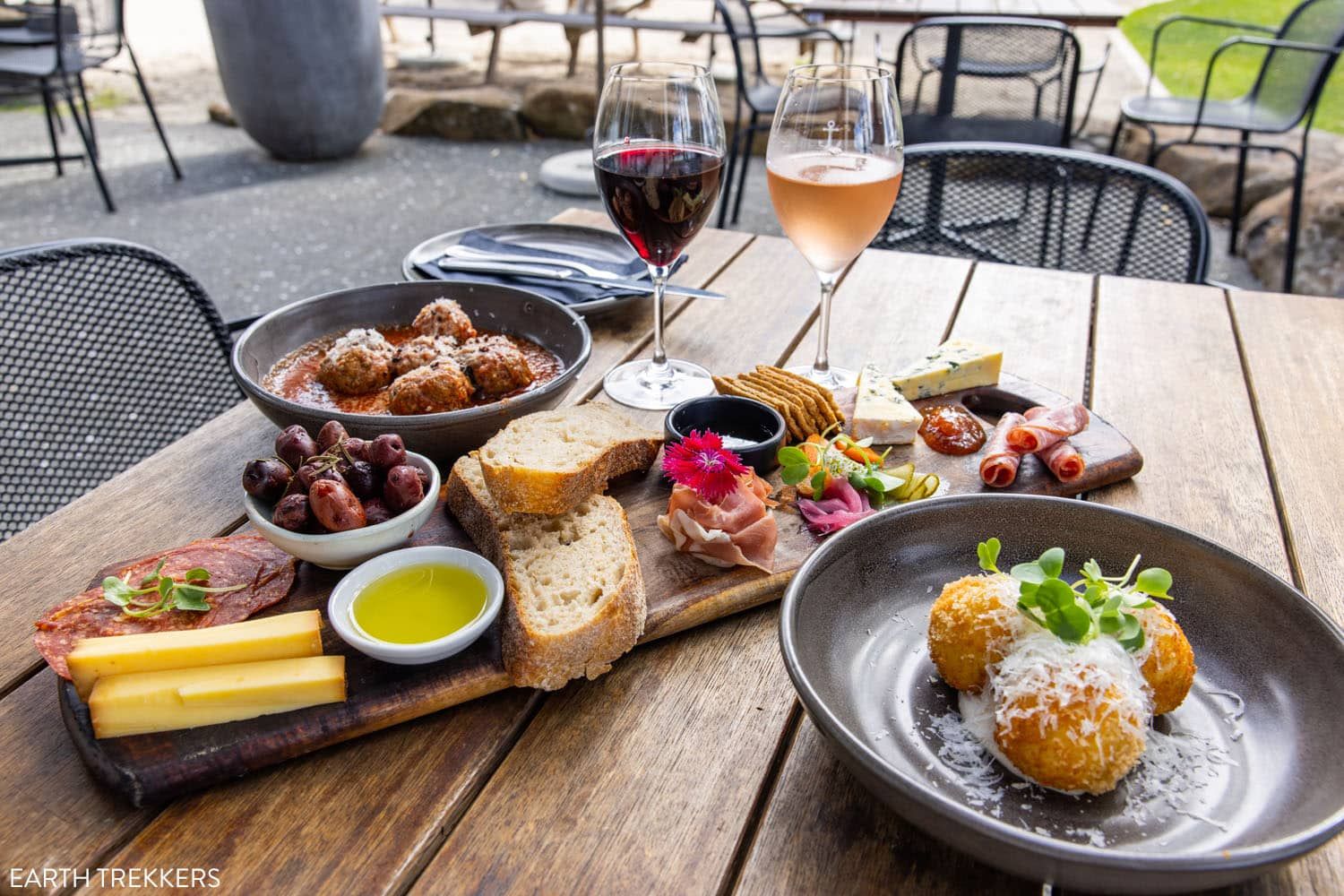
Lunch or shared platter with wine flights at a second vineyard
Short visit to a lookout point or Oneroa Village for free time
Drop-off back at Matiatia Wharf in time for the return ferry
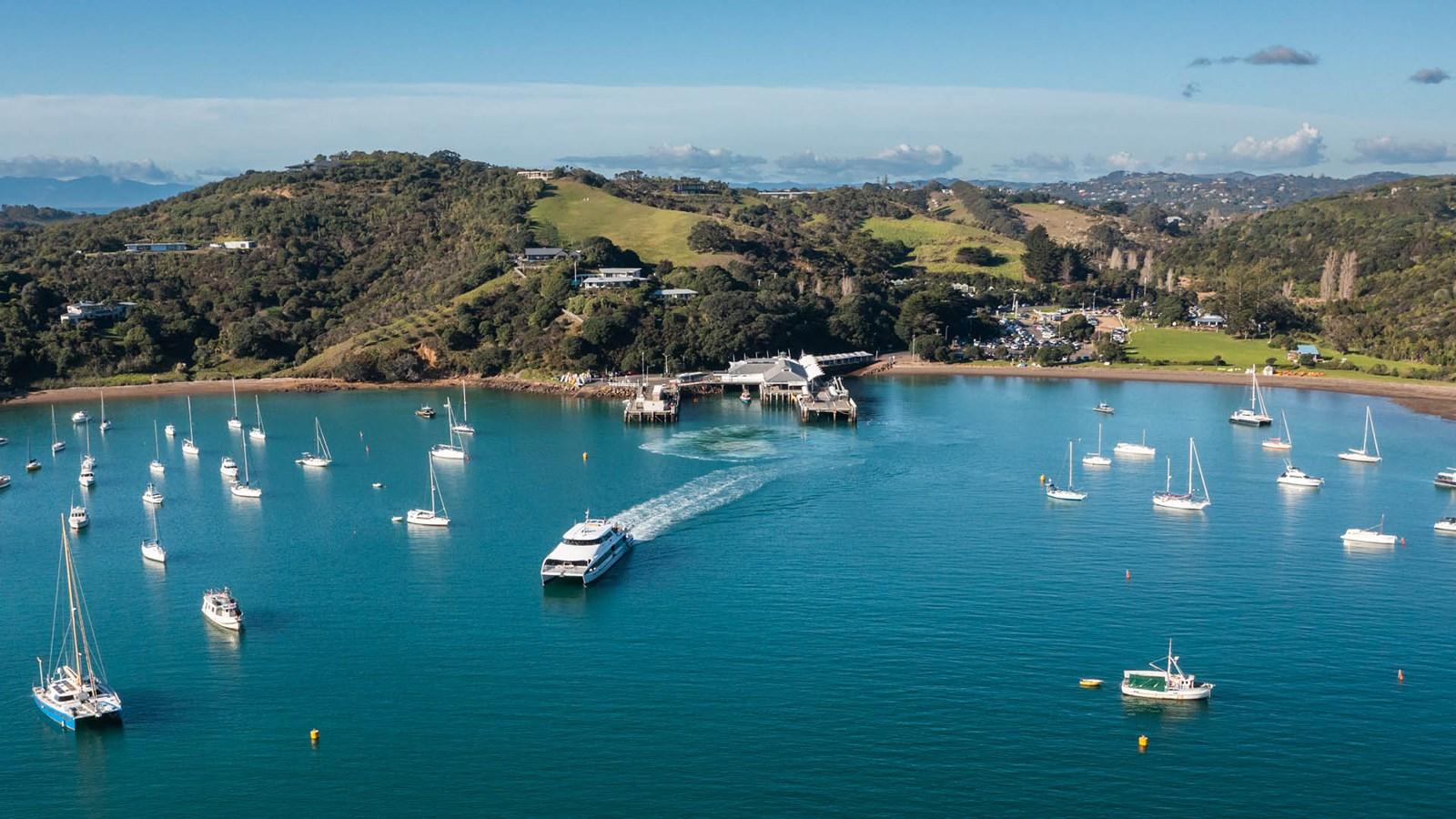
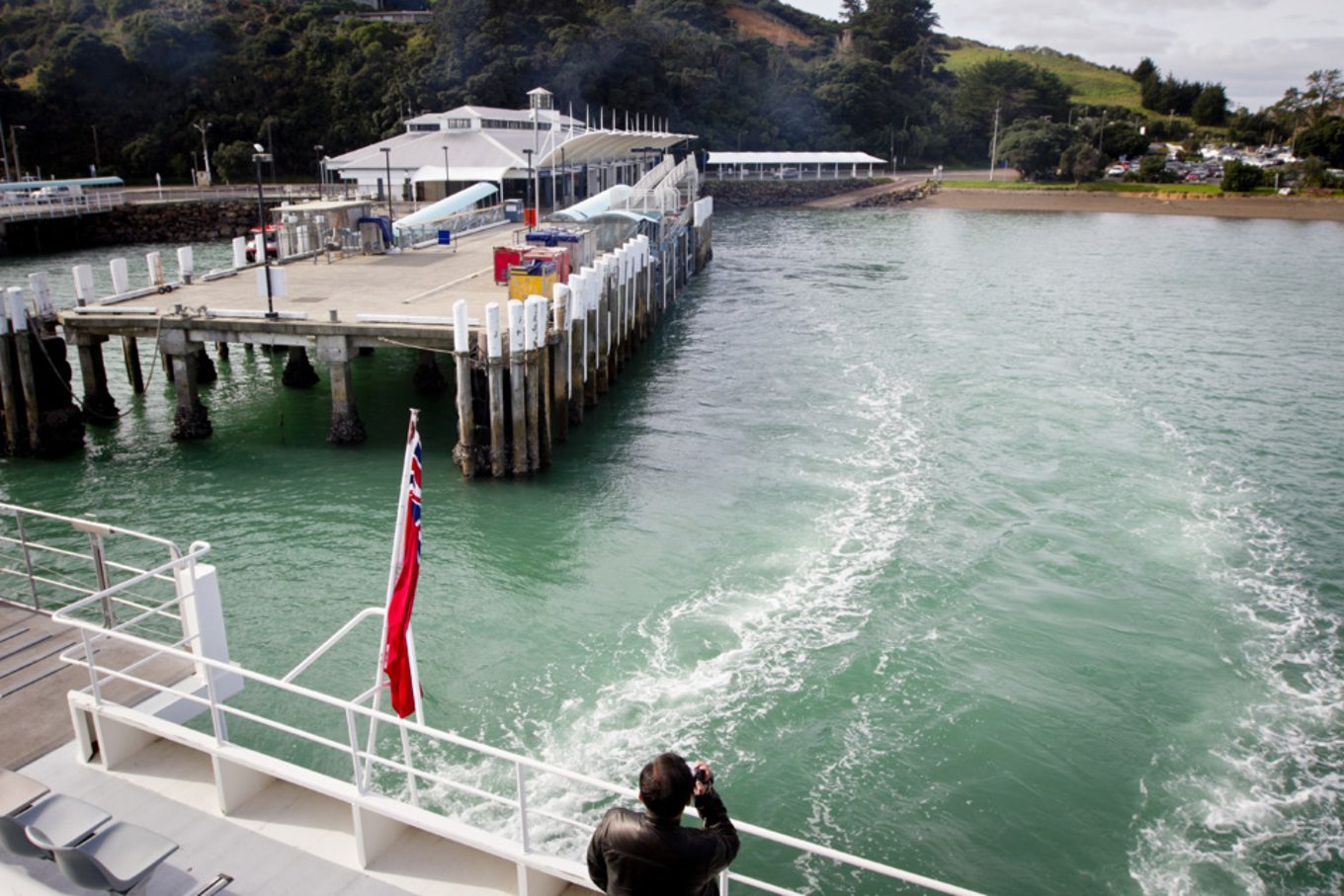
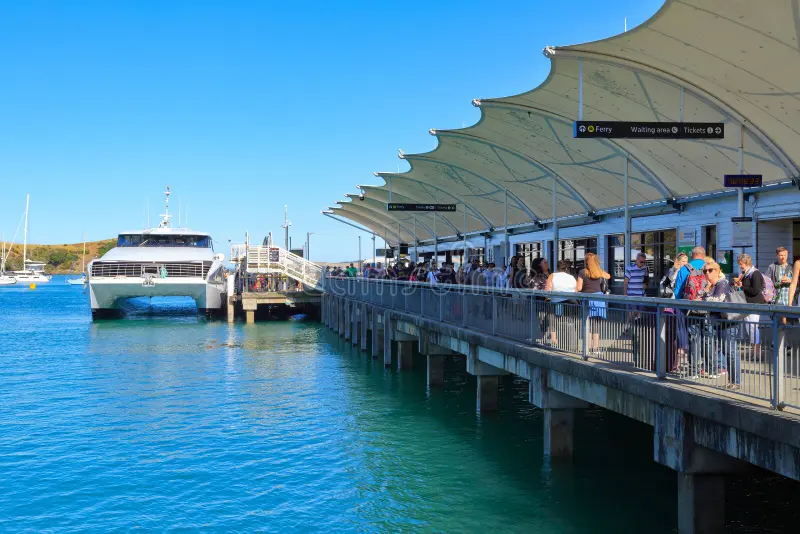
The main ferry gateway to the island, this wharf handles thousands of arrivals weekly and includes a small unstaffed information kiosk alongside cafes and rental desks.
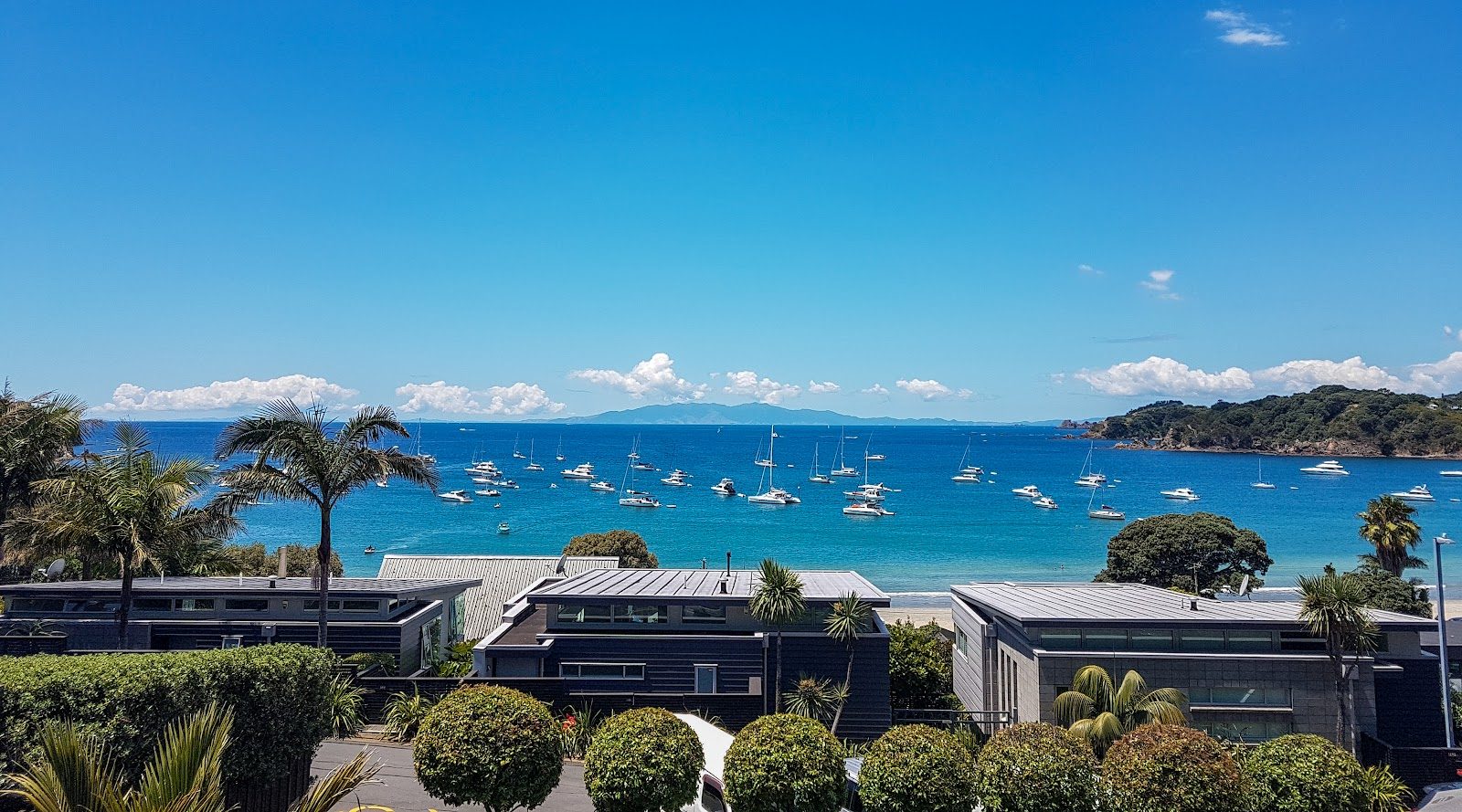
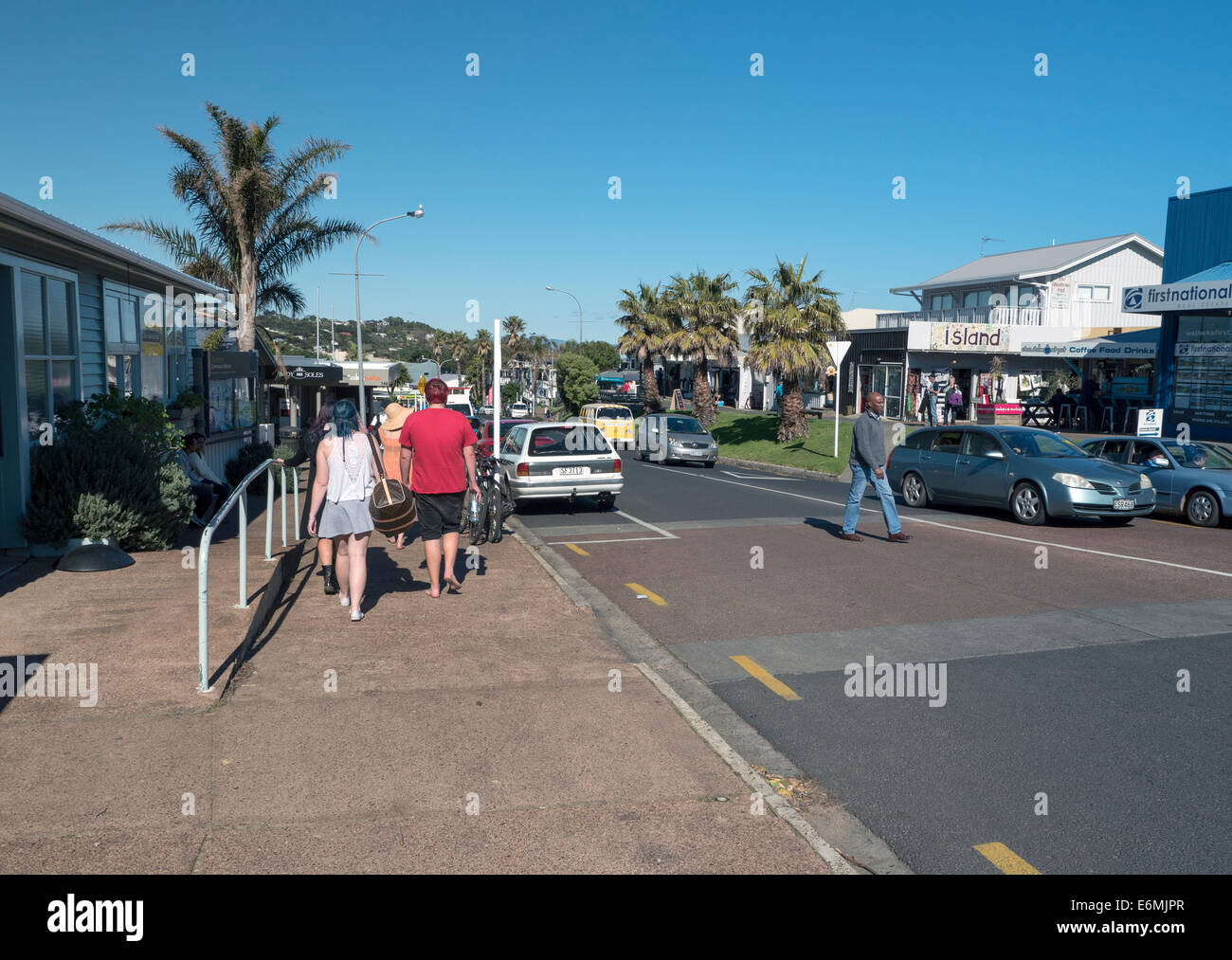
A beachfront village center a short walk from the wharf, home to galleries, boutique shops, and cafes overlooking Oneroa Beach.
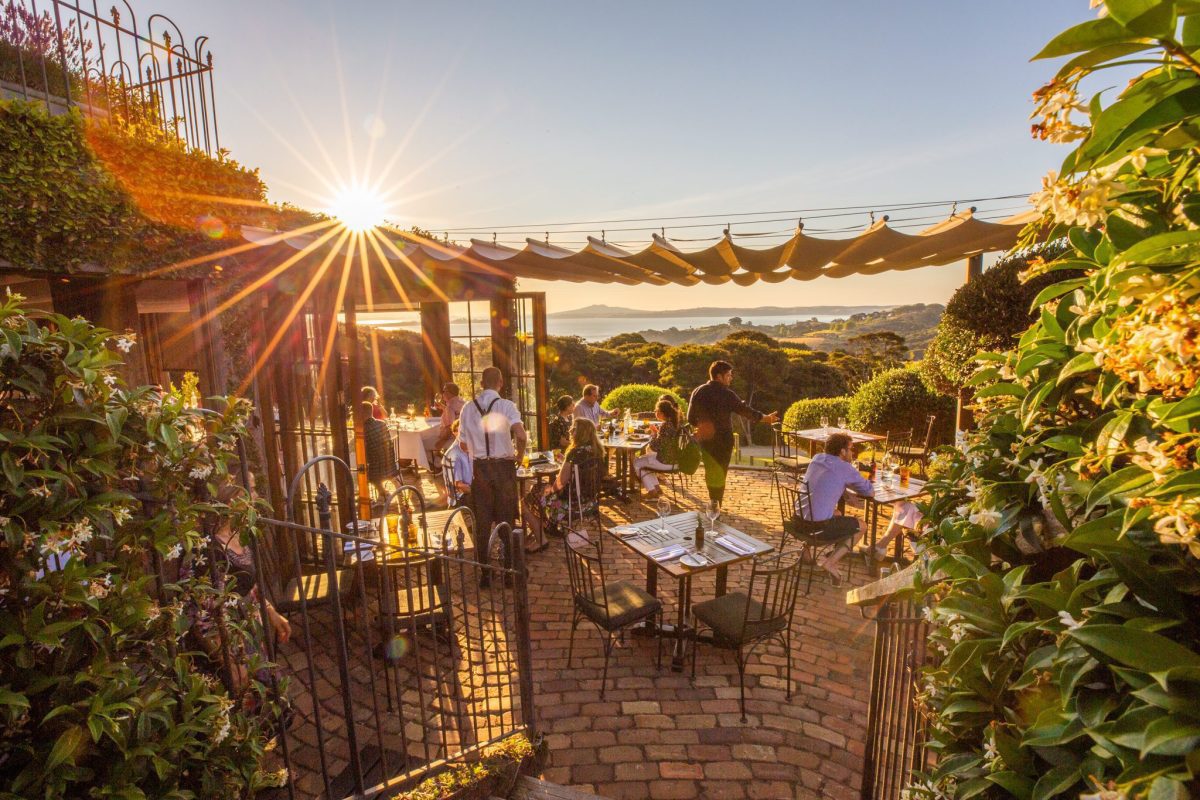
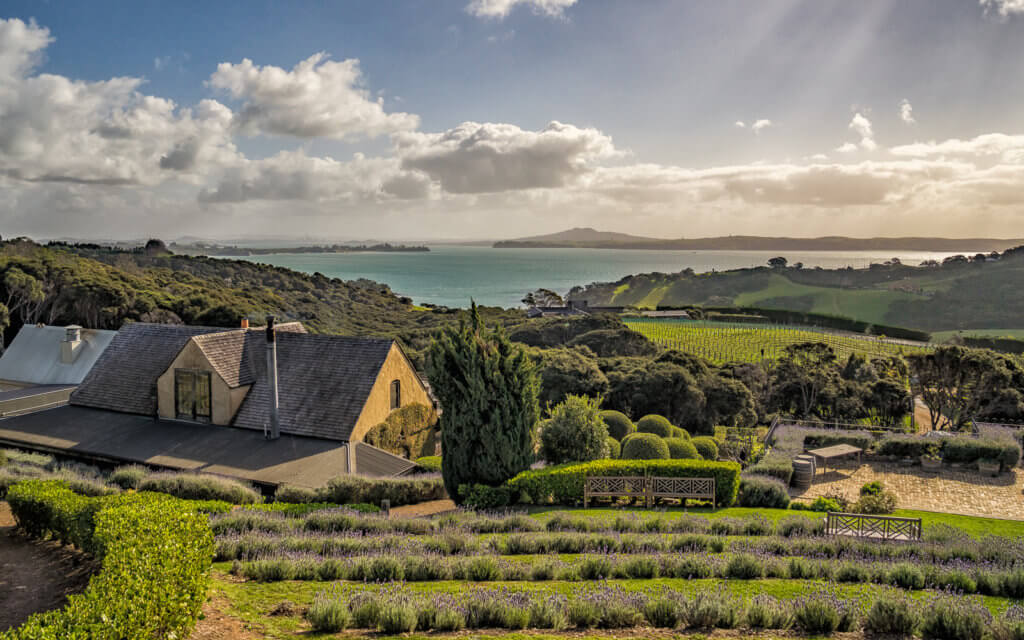
A well-known vineyard and restaurant built with distinctive mudbrick construction, set on a hillside with gardens overlooking the Hauraki Gulf.
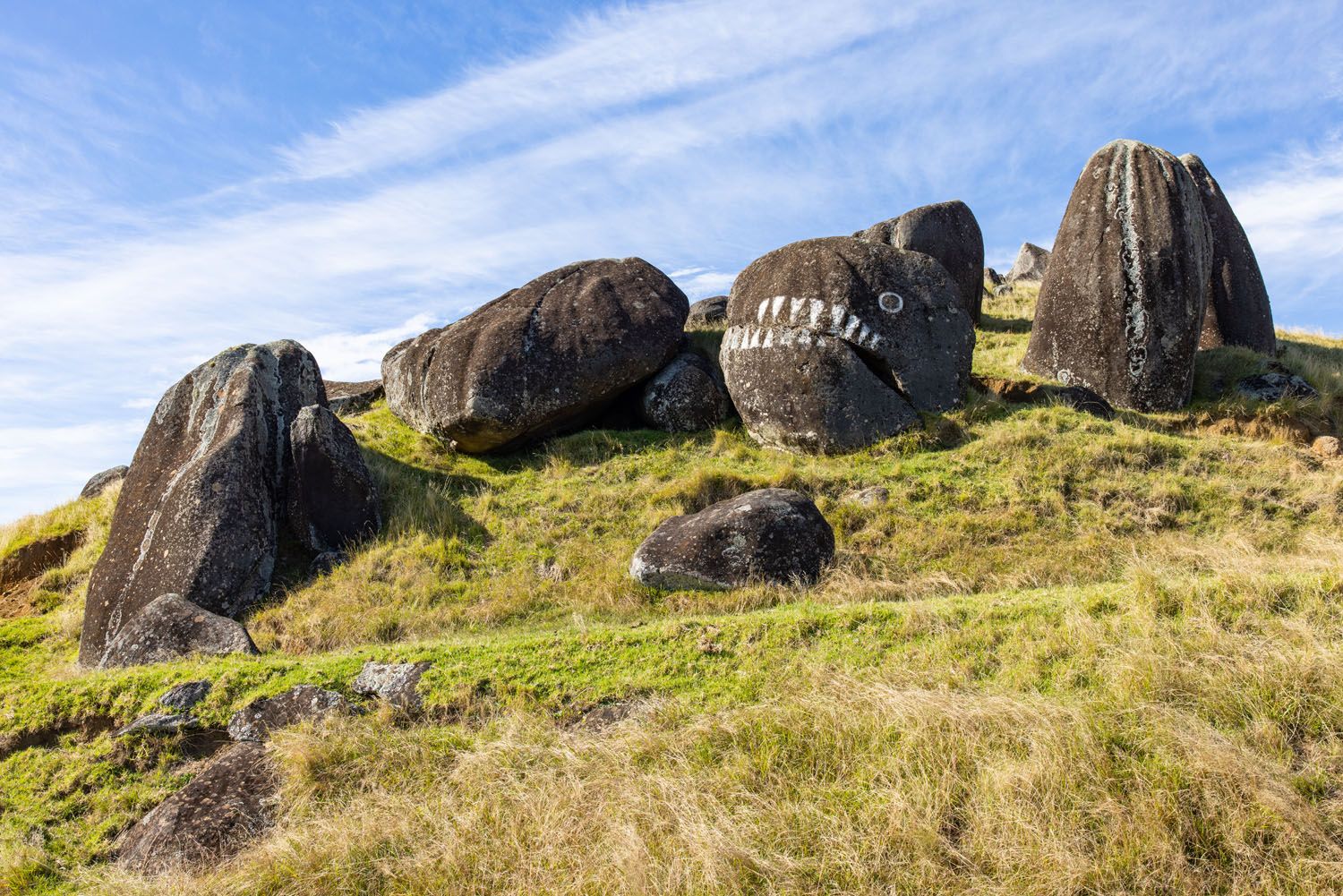
A coastal headland walking track near Oneroa, home every two years to the outdoor Sculpture on the Gulf exhibition along its cliff path.
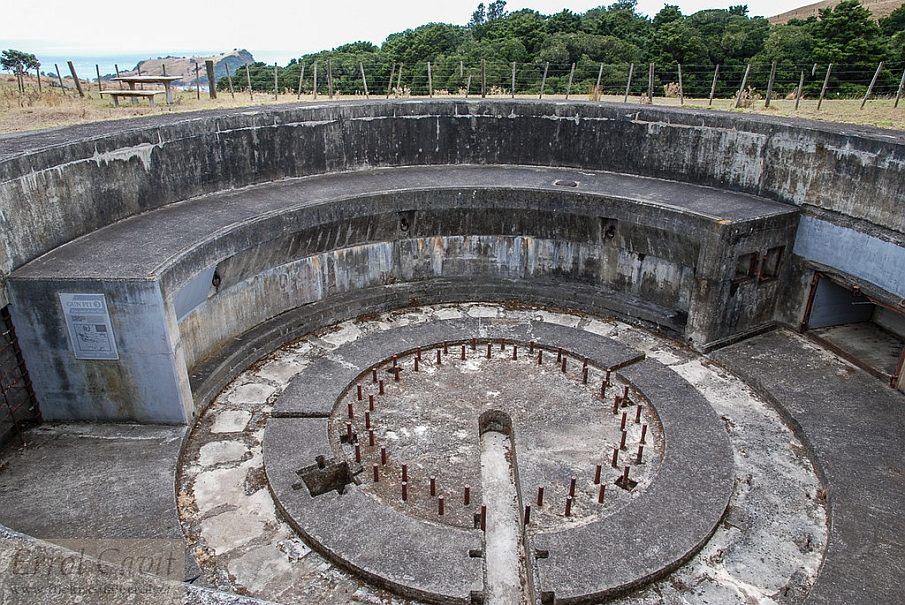
A World War II gun emplacement complex with tunnels and chambers built in the early 1940s to defend Auckland's harbor approaches, now protected by the Historic Places Trust.
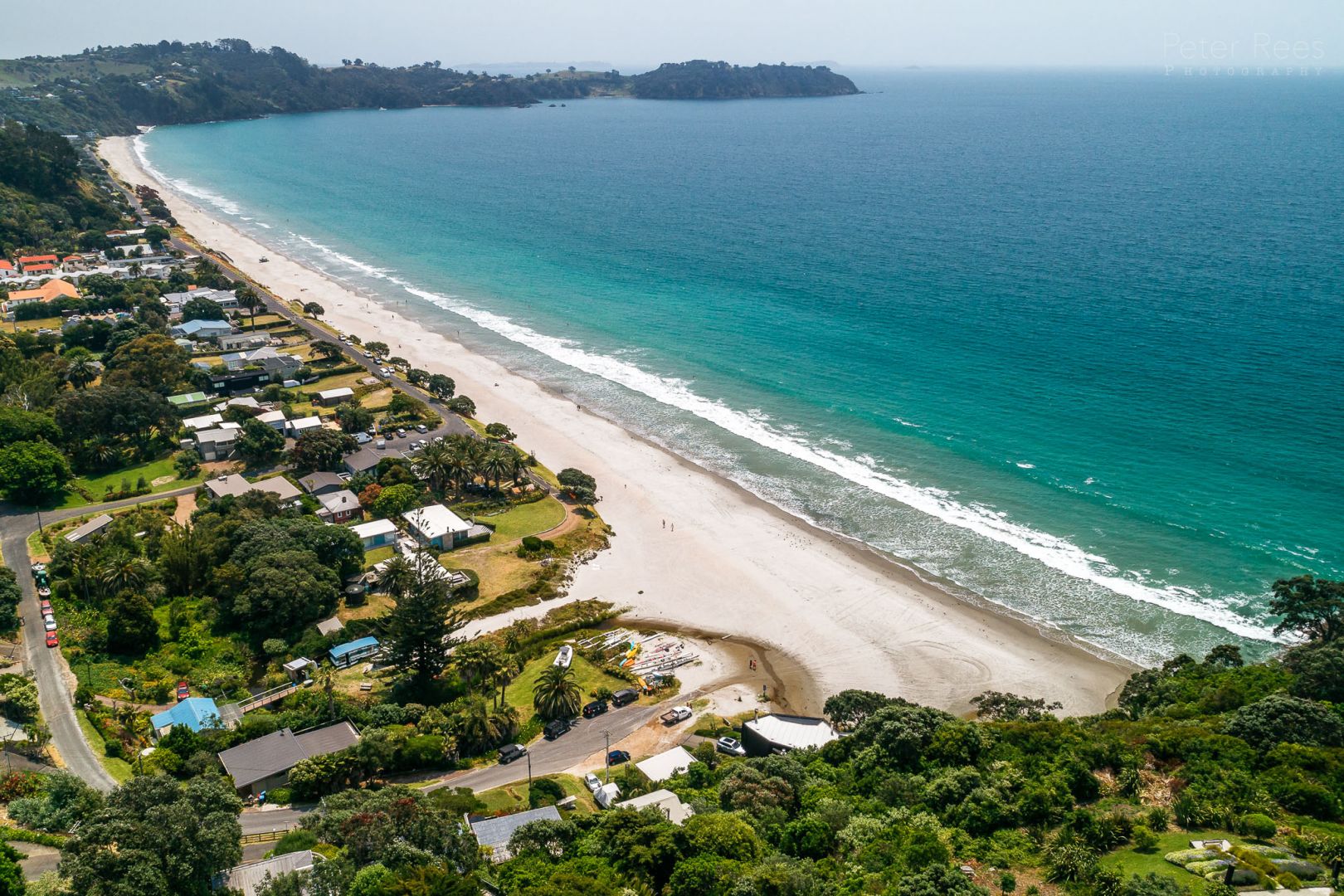
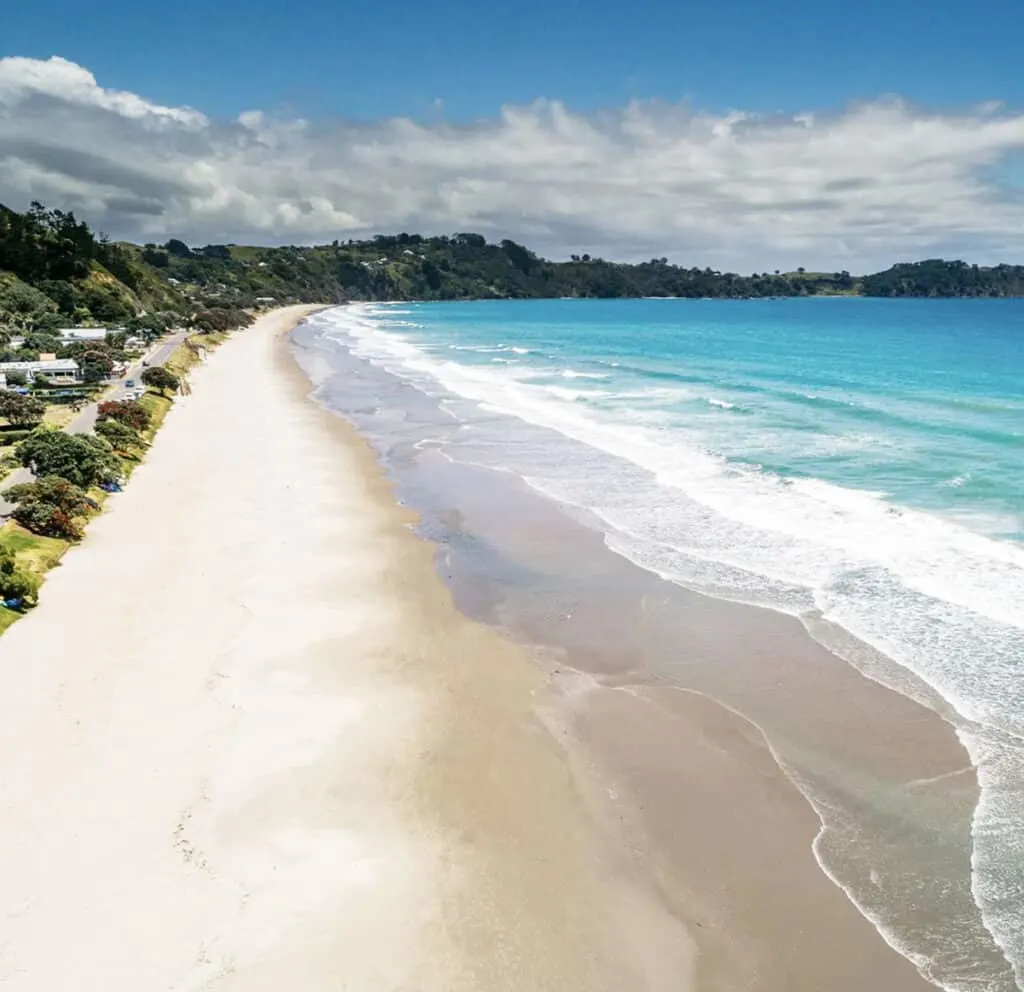
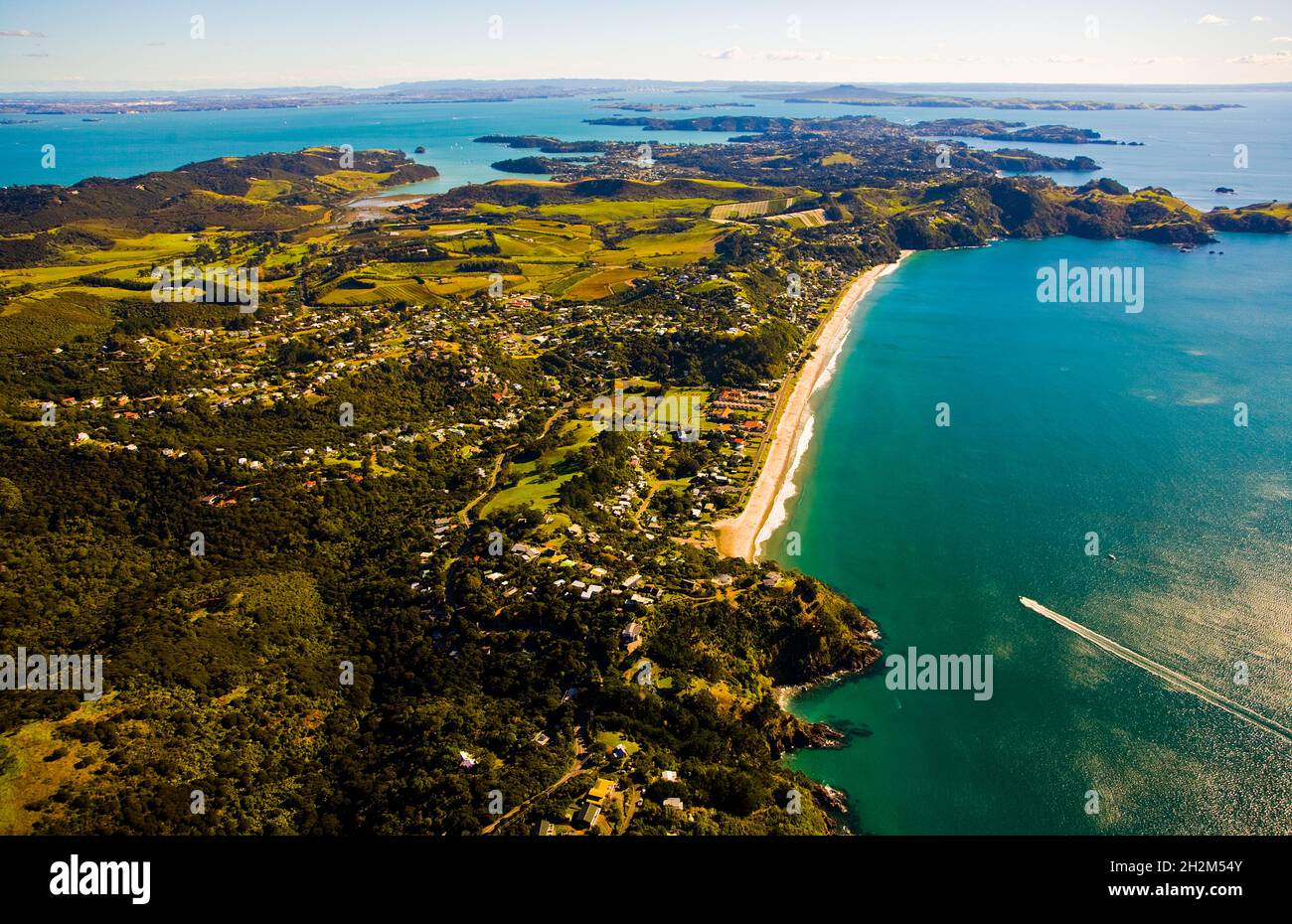
One of the island's longest sandy beaches, stretching roughly two kilometers along the north-facing coast and hosting the annual Onetangi Beach Races.
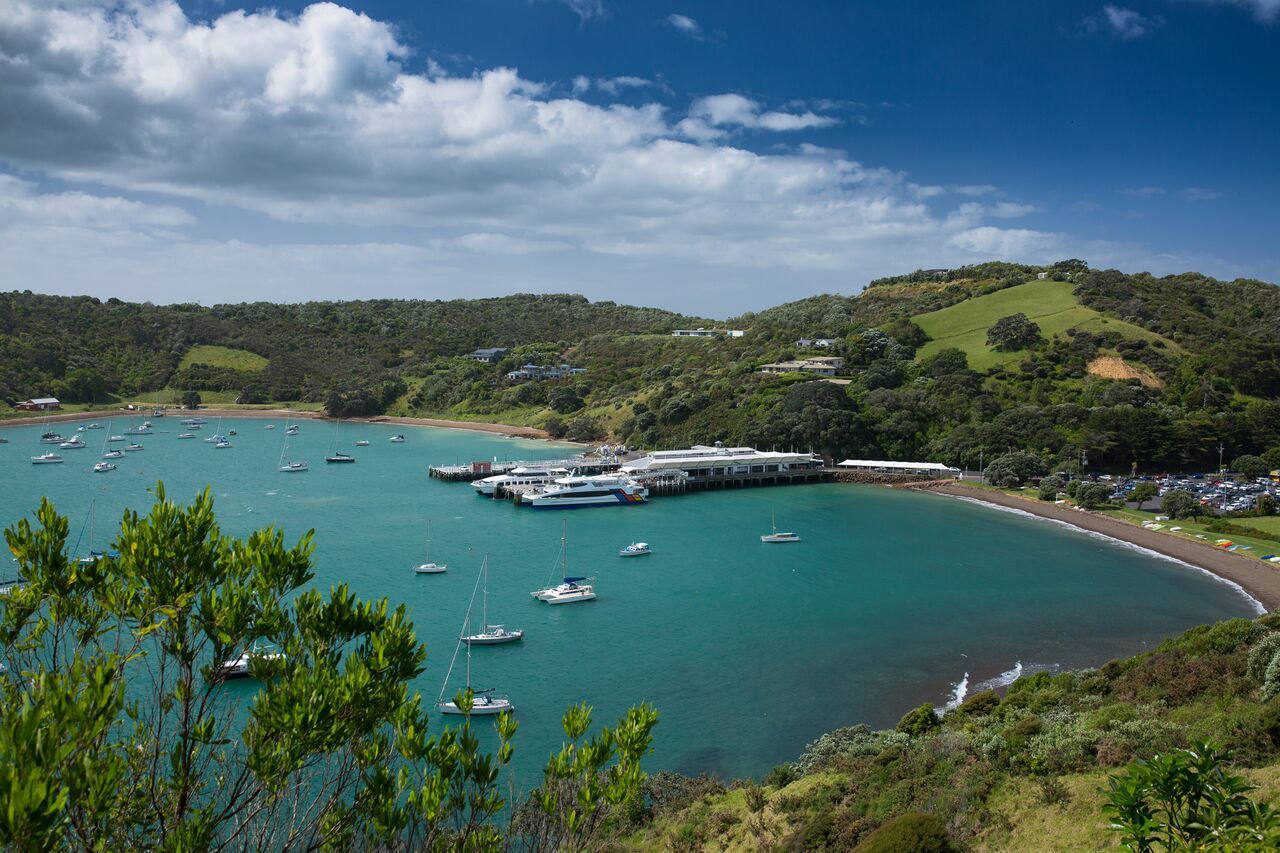
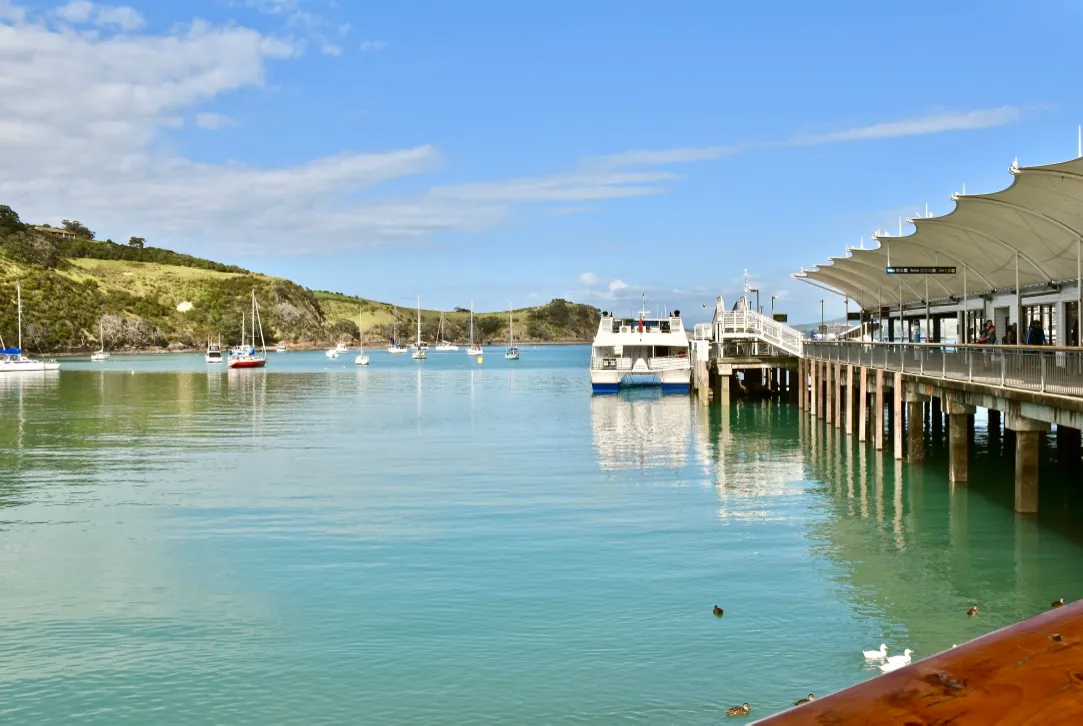
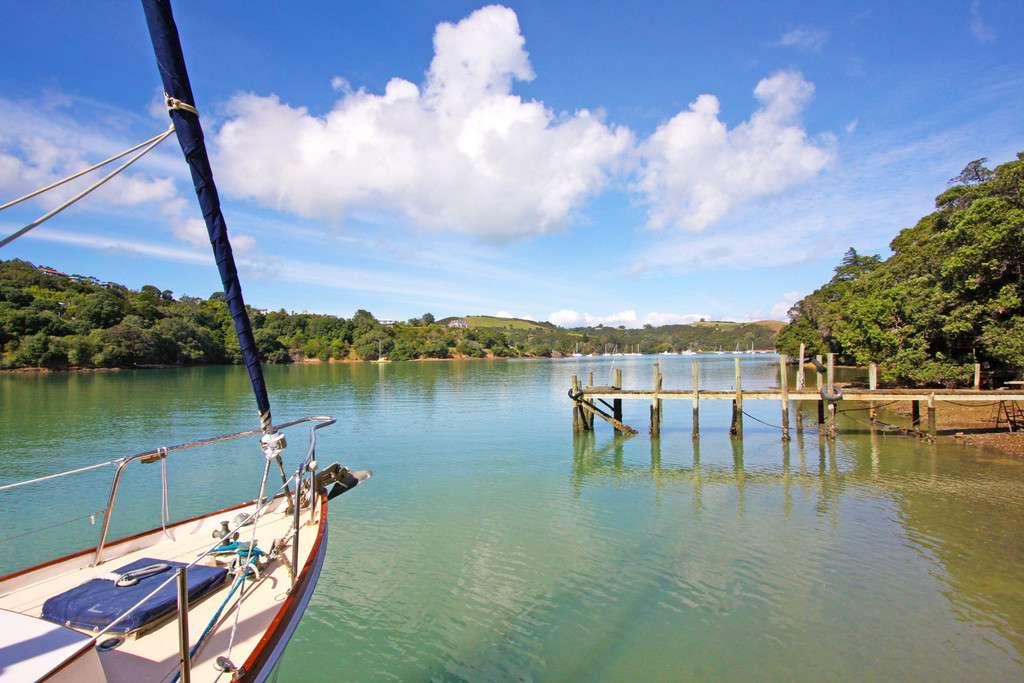
You step off the ferry at Matiatia Wharf between 10:00 and 10:30, the arrival window that most pickups are timed against. The wharf sits in a narrow green bay; drivers wait in the turnaround above the pontoon, boards raised.
Operators run daily from 09:00 to 17:00, and there is no gate fee — you pay per tour, booked directly.
You climb into the van and the road rises immediately. Within four minutes you are on the ridge above Oneroa, looking back across the Hauraki Gulf to Rangitoto's flat cone. You stop at a vineyard terrace, glass in hand, and learn to read the greywacke underfoot. You cross the island's spine to Onetangi, where the beach runs 1.8 kilometres of white sand and the surf comes in from the northeast.
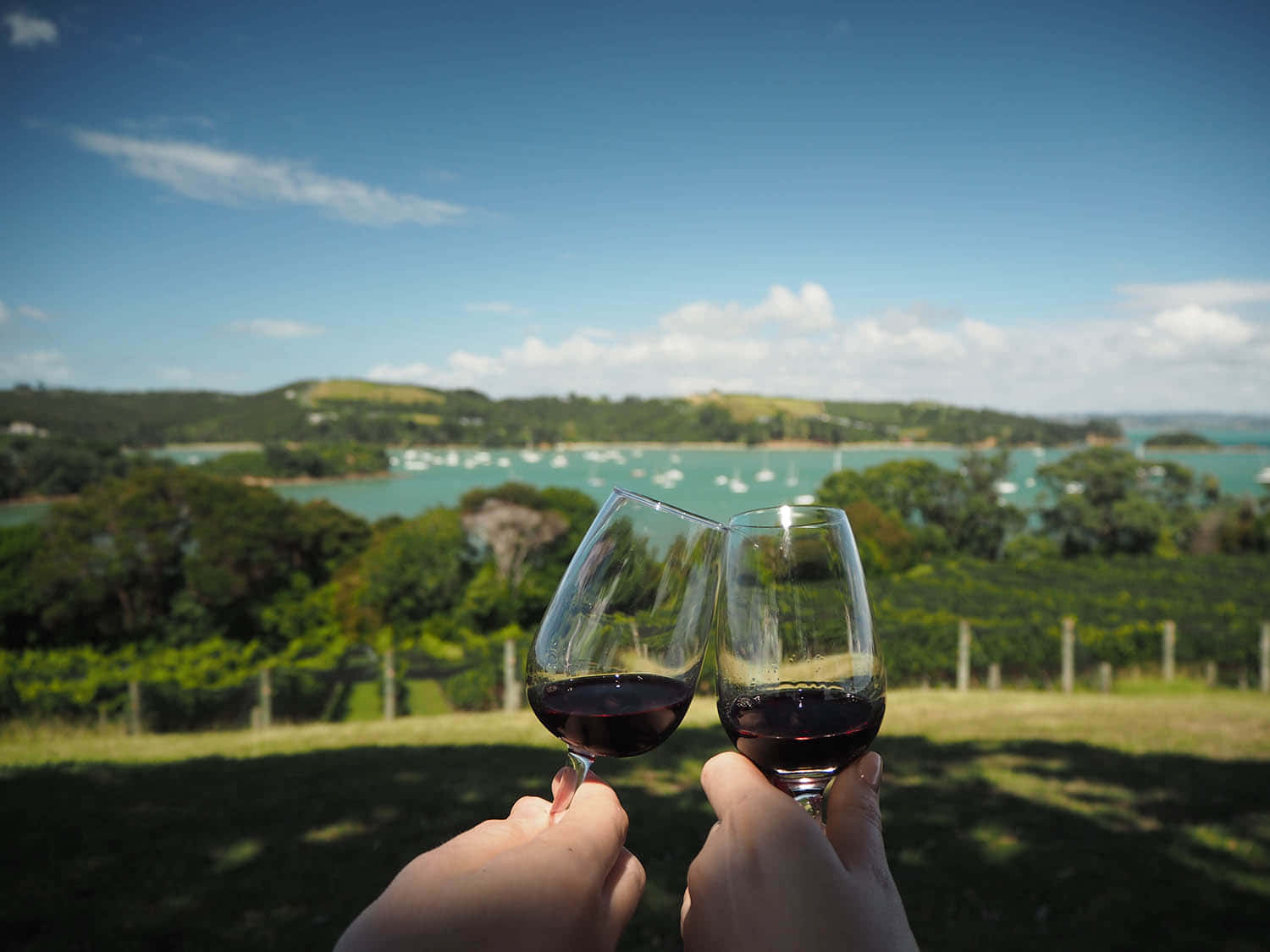
A Waiheke Island Tours itinerary usually threads three or four properties. You taste Syrah where it grows. You walk an olive grove. You watch the driver point out Stony Batter on the eastern horizon, and you pass roadside letterboxes made of driftwood and salvaged buoys.
By mid-afternoon you are back on the western side. You have your voucher on your phone, your camera full, and the Matiatia jetty ahead of you again, with the Auckland skyline sitting low and pale across twenty kilometres of water.
All the details about your upcoming adventure in one place
A 35-minute ferry from downtown Auckland, Waiheke sits in the Hauraki Gulf with more than thirty boutique wineries, olive groves and dark-sand bays scattered across its ridgelines. Waiheke Island Tours travel the loop between Oneroa, Onetangi and the eastern headlands by small coach, pairing cellar-door tastings with lookouts over Church Bay and the Rangitoto skyline. Most Waiheke Island Tours tickets include ferry transfers, three tasting flights and commentary on the island's maritime terroir and Te Motutapu conservation work.
Waiheke was farmed for kanuka firewood and sheep long before a single grapevine took root; the island's first commercial vineyard, Goldwater Estate, was planted at Putiki Bay in 1978 by Kim and Jeanette Goldwater, who were widely considered eccentric for the attempt.
Māori knew the island as Te Motu-arai-roa, the long sheltering island. Ngāti Pāoa held pā sites across its ridges from the seventeenth century. Stone Bridge and Whakanewha remain sites of significance. European settlement arrived in the 1830s with timber cutters, who stripped much of the native bush for kauri and manuka. Pastoral farming followed. By the 1930s Waiheke had become a working-class holiday retreat, its bays lined with modest baches reached by steamer from Auckland.
The island's second life began with that 1978 planting. Waiheke Island Tours now trace a landscape that took only four decades to transform: some thirty vineyards, more than thirty olive groves, and a microclimate two degrees warmer and considerably drier than the mainland, with free-draining clay soils over greywacke. Bordeaux varieties took hold first — Cabernet Sauvignon, Merlot, Cabernet Franc — followed by the Syrah that now defines the island's reputation. Stonyridge released its first Larose in 1985. Te Whau, Mudbrick and Cable Bay followed through the 1990s.
Military history sits beneath the agriculture. Stony Batter, on the island's eastern end, holds a network of tunnels and gun emplacements built between 1941 and 1944 against a Japanese invasion that never came. Three 9.2-inch guns were installed; none were fired in anger. The tunnels run roughly a kilometre through volcanic rock.
A Waiheke Island Tours tour typically works this geography rather than a single site — the ridgelines above Onetangi, the sculpture terraces at Connells Bay, the coastal cliffs of the Te Ara Hura walking network that circles 100 kilometres of the island. Operators depart from Matiatia Wharf, the island's western gateway at Auckland 1081, where the passenger ferry from downtown Auckland arrives.
What matters today is scale. Waiheke covers 92 square kilometres and holds roughly 9,000 permanent residents, a figure that triples in summer. It remains part of Auckland Council, governed by a local board, yet functions as its own economy: viticulture, art, tourism. Guided Waiheke Island Tours tours grew alongside that economy, formalised through the 2000s as ferry frequency rose. The island's art scene runs parallel — the Waiheke Community Art Gallery opened in 1978, the same year as the vines, and Sculpture on the Gulf has run biennially along the Matiatia headland since 2003.

The island's first commercial vineyard was planted in 1978, and forty years later the vines had rewritten the map.
Wear comfortable, casual clothing suited to a working vineyard environment, since several stops on Waiheke Island Tours involve short walks over gravel courtyards and outdoor terraces. Closed-toe shoes are recommended for vineyard visits, and a light jacket is useful even in summer once the van climbs to exposed coastal lookouts.
A small daypack or handbag is fine in the tour van; there is no bag scanning or security screening since pickup happens directly at Matiatia Wharf rather than through a ticketed gate. Larger luggage should be left at your Auckland accommodation, as the van used for Waiheke Island Tours has limited storage space for full suitcases.
Personal photography is permitted throughout the day, including at vineyard courtyards and coastal viewpoints visited on the tour. Some wineries restrict tripod use or commercial/drone photography on their private grounds, so ask your guide before setting up equipment at any specific stop.
Children are welcome on daytime itineraries, though the wine-tasting focus of most Waiheke Island Tours makes them better suited to families with older children or teens rather than toddlers. Ask about non-tasting options or juice/soft drink alternatives when booking a family group.
Vans used for Waiheke Island Tours have standard step-up entry, and most vineyard stops involve short walks over gravel or grass, which can be difficult for wheelchair users. Contact the operator on +64 800 672 748 ahead of booking to discuss specific mobility needs so pickup and stop selection can be adjusted.
Wine and food tastings are included at scheduled vineyard stops; outside food and drink brought onto the van should be kept light, since most itineraries include a shared platter or lunch booking. Bottled water is fine to bring along for the day.
Quietest weekday
Busiest day, book ahead
Best arrival window
10:00–10:30, timed to the morning ferry from Auckland
Opening hours
09:00 – 17:00
Getting there
City-center access via metro and bus
Accessibility
Most experiences are wheelchair-friendly — check individual tours
What to bring
Comfortable shoes, water, phone for mobile voucher
Public transport · 35–45 min · Adult fares from around NZD 29.50–62 return
Take a Fullers360 or Island Direct ferry from Auckland's Downtown Ferry Terminal to Matiatia Wharf, where the tour van meets passengers
Car · 35–45 min crossing · Vehicle ferry fares vary by size
Drivers can take their own vehicle onto a car ferry to Waiheke, though most Waiheke Island Tours guests arrive on foot via passenger ferry
Taxi / Shuttle · 10–30 min depending on location · Metered fare
Taxis and shuttles connect Matiatia Wharf to accommodation across the island for guests joining the tour from outside Oneroa
Waiheke Island Tours bookings can be cancelled or rescheduled free of charge up to 24 hours before the scheduled pickup time, with a full refund processed to the original payment method. There is no entrance fee to Waiheke Island itself (0 NZD), since tours are booked and priced directly rather than through a gated attraction.
Recommended time
Half a day (4-5 hours)
Most Waiheke Island Tours itineraries run four to five hours, covering vineyard stops, tastings, and coastal viewpoints before returning guests to Matiatia Wharf. Arriving for the 10:00-10:30 pickup window lines up with the morning ferry from Auckland, so add 45 minutes before that for the crossing itself if you are booking your own ferry. Add extra time if you plan to linger over lunch at a vineyard restaurant; subtract time if you are catching an early afternoon ferry back. Queues are rarely an issue since tours are pre-booked in small groups, though the wharf itself gets busy right as ferries dock.
Crowd levels through the day
Weather · crowds · average price — dots go green to amber to red as each metric rises.
Warm, dry days around 20–25°C make vineyard terraces and coastal stops most comfortable, though weekends draw the heaviest crowds of the year.
Mild temperatures and grape harvest activity make this a good balance of pleasant weather and lighter crowds on Waiheke Island Tours routes.
Cooler, wetter weather with daytime highs near 14–16°C means fewer visitors and easier vineyard bookings, though outdoor lookout stops can feel exposed.
Flowering vines and improving weather bring moderate visitor numbers, with November events like the Sculpture on the Gulf exhibition adding extra interest.
Passengers should confirm they are on the 10:00 am ferry from Auckland so arrival lines up with the 10:00–10:30 pickup window at Matiatia Wharf.
Vans are designed for 4–6 people with room for up to 8, so larger groups should confirm capacity when booking Waiheke Island Tours.
Winter months bring more rain, so pack a waterproof layer if visiting between June and August.
Shared platters at vineyard stops can usually be adjusted for allergies or dietary restrictions if flagged at booking.
Coverage across the island can be patchy in rural vineyard areas, so download any confirmation details before leaving Auckland.
Van storage is limited, so a small bag rather than a full suitcase makes the day more comfortable.
Matiatia Wharf, Waiheke Island, Auckland 1081, New Zealand
Guide waits near the ferry terminal exit for the 10:00–10:30 pickup
Get directions
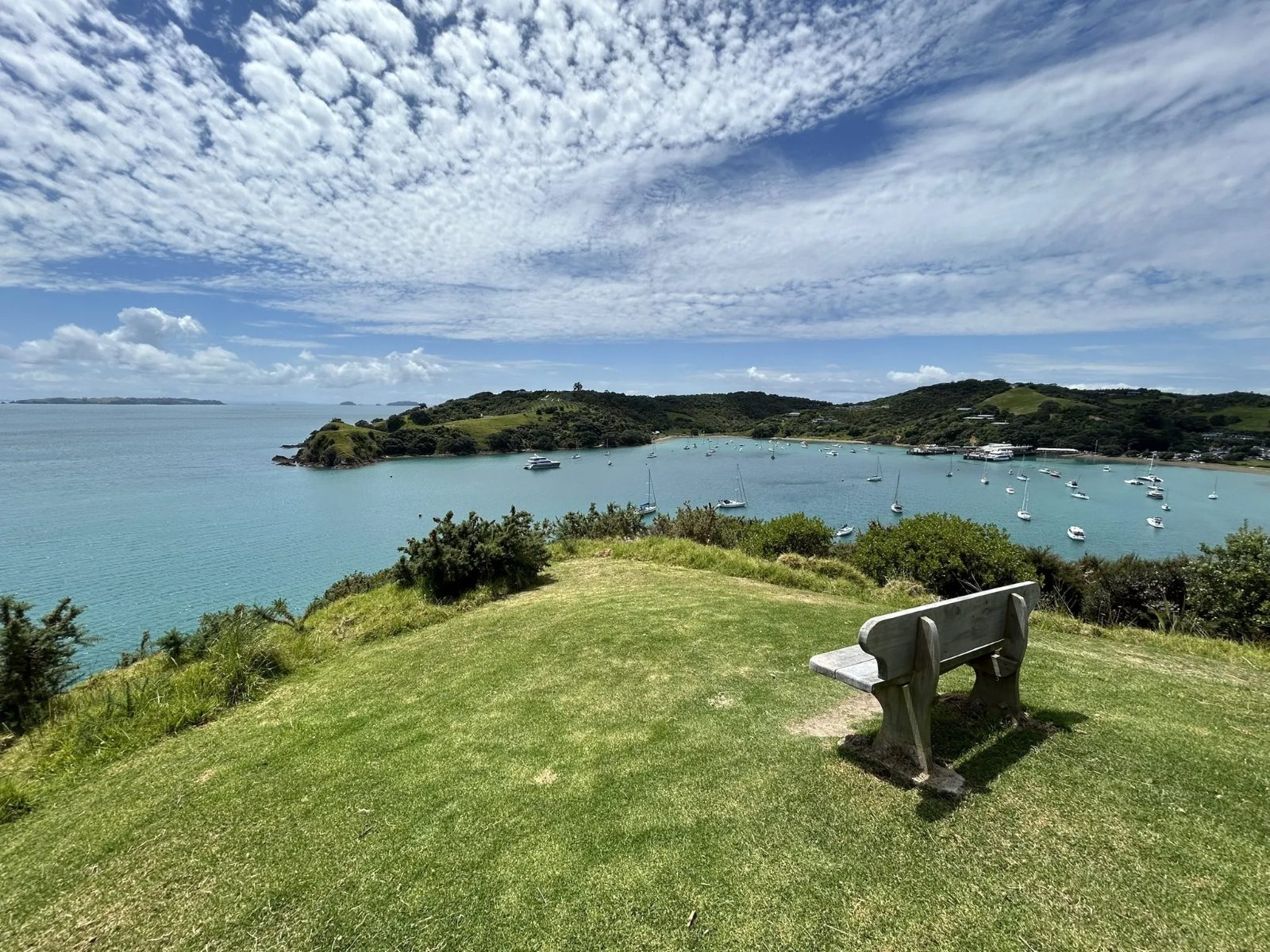
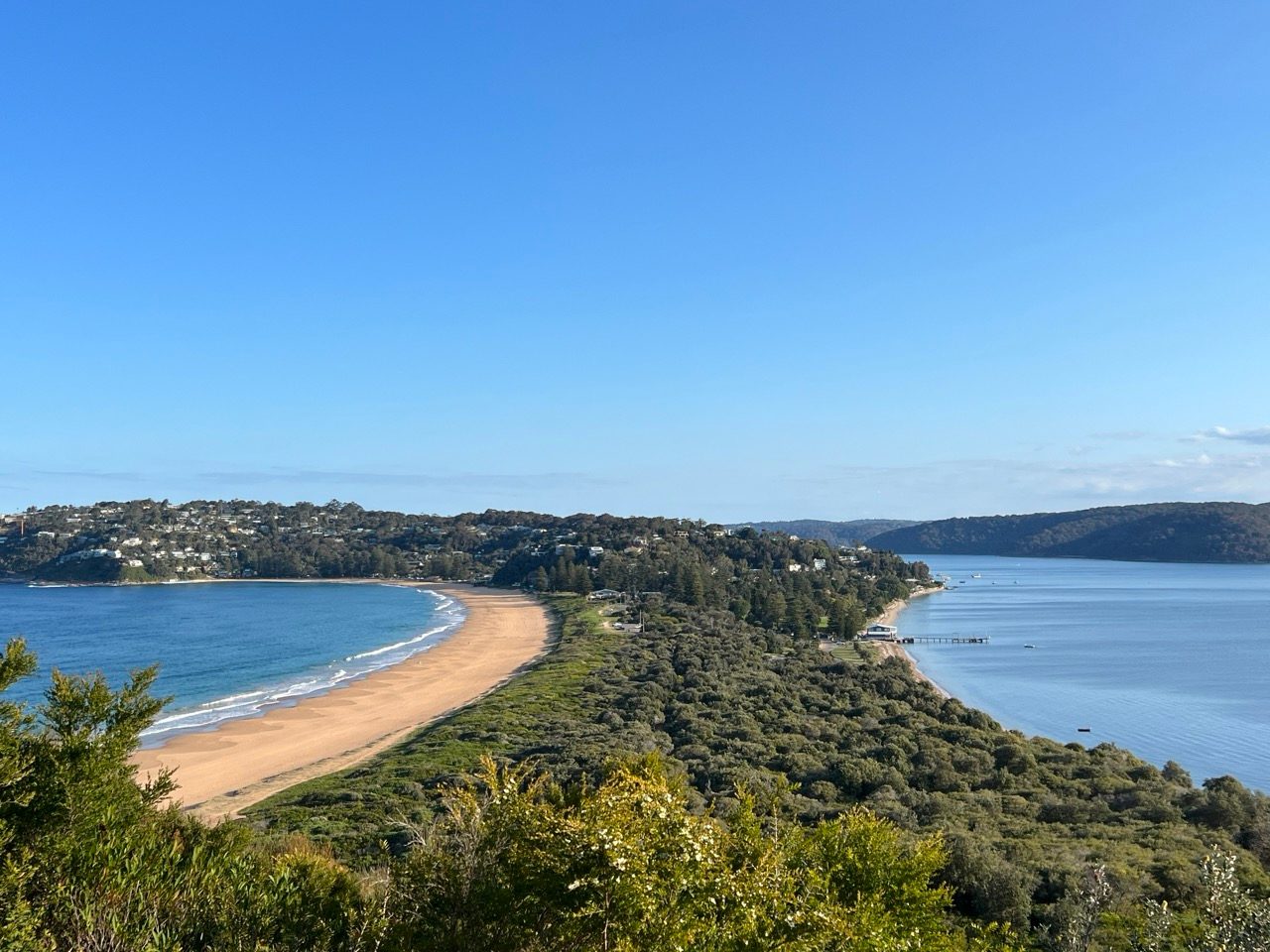
A cliffside vantage above golden sand and pohutukawa-fringed water, reached via Cory Road from the Red Shed art gallery in Palm Beach village; frame the curve of the bay with Hauraki Gulf islands in the distance. The path down is steep and can be muddy after rain.
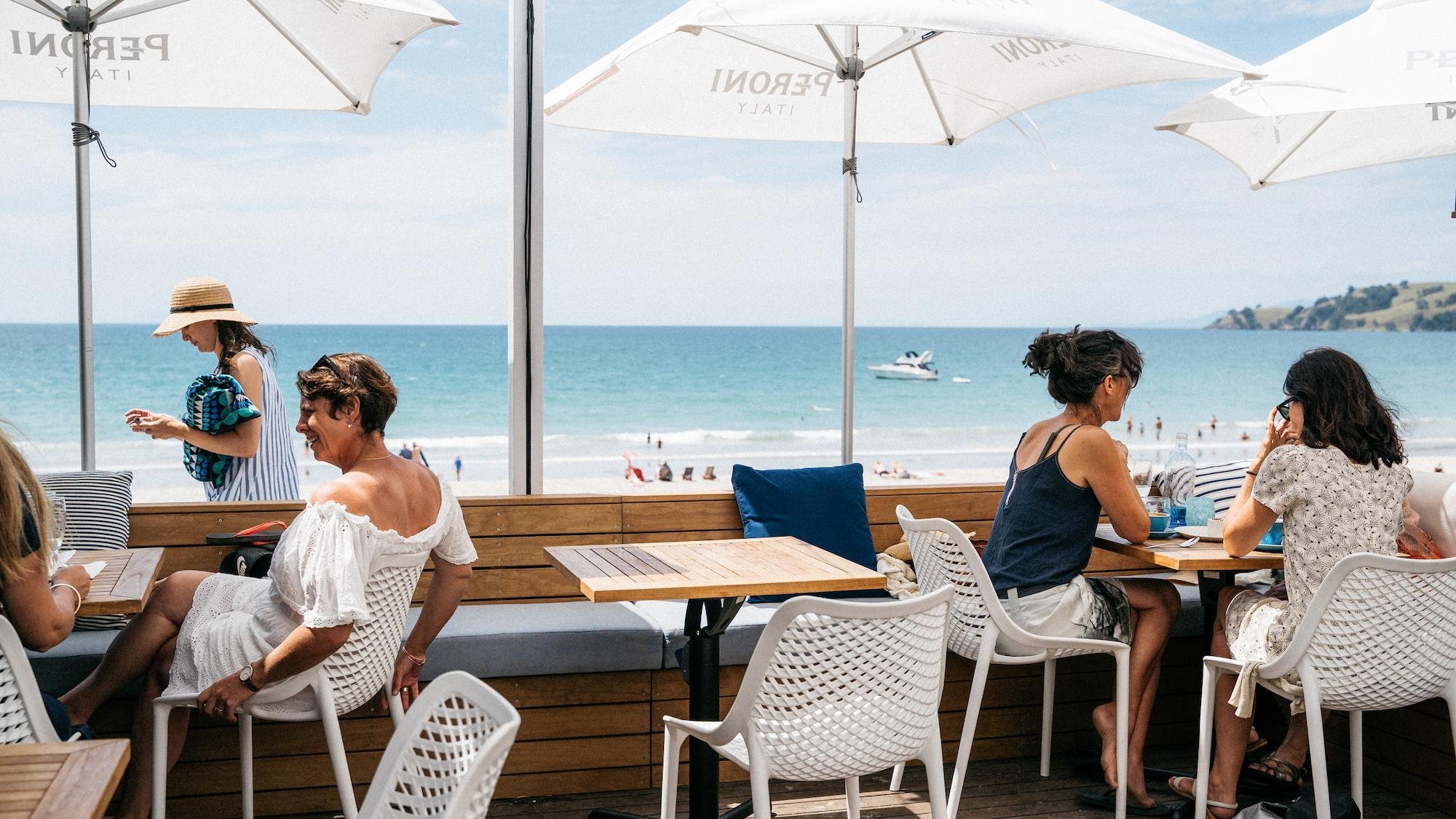
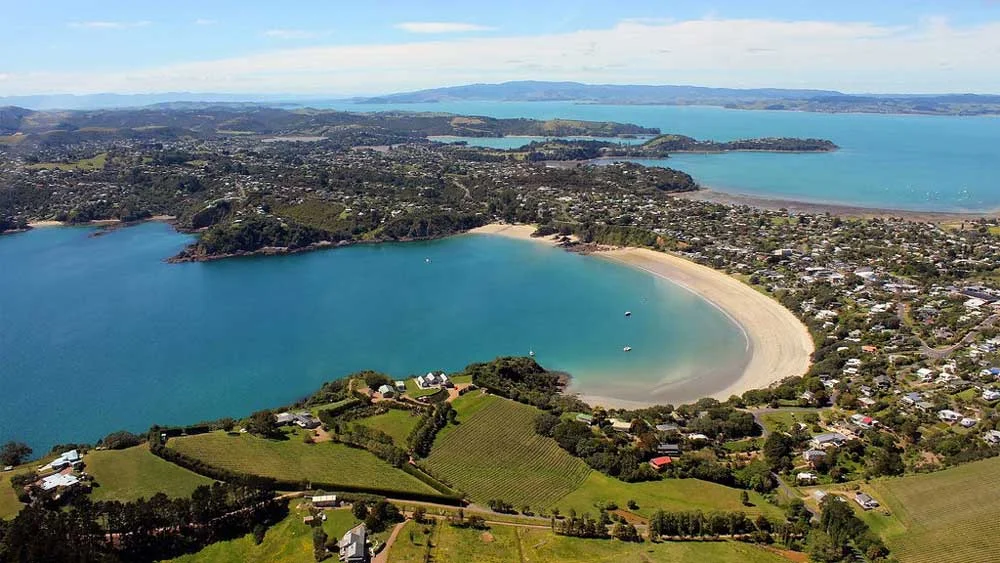
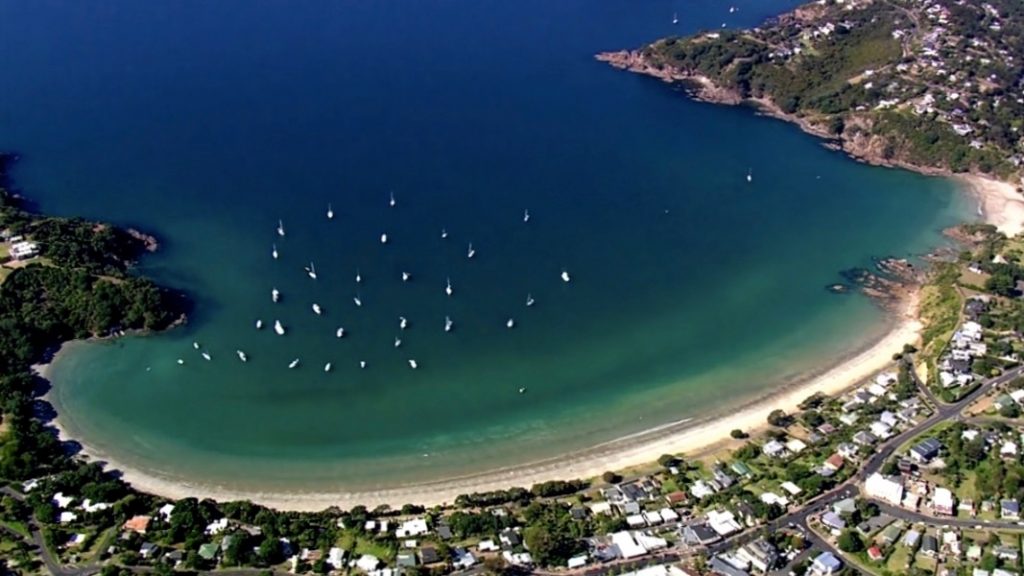
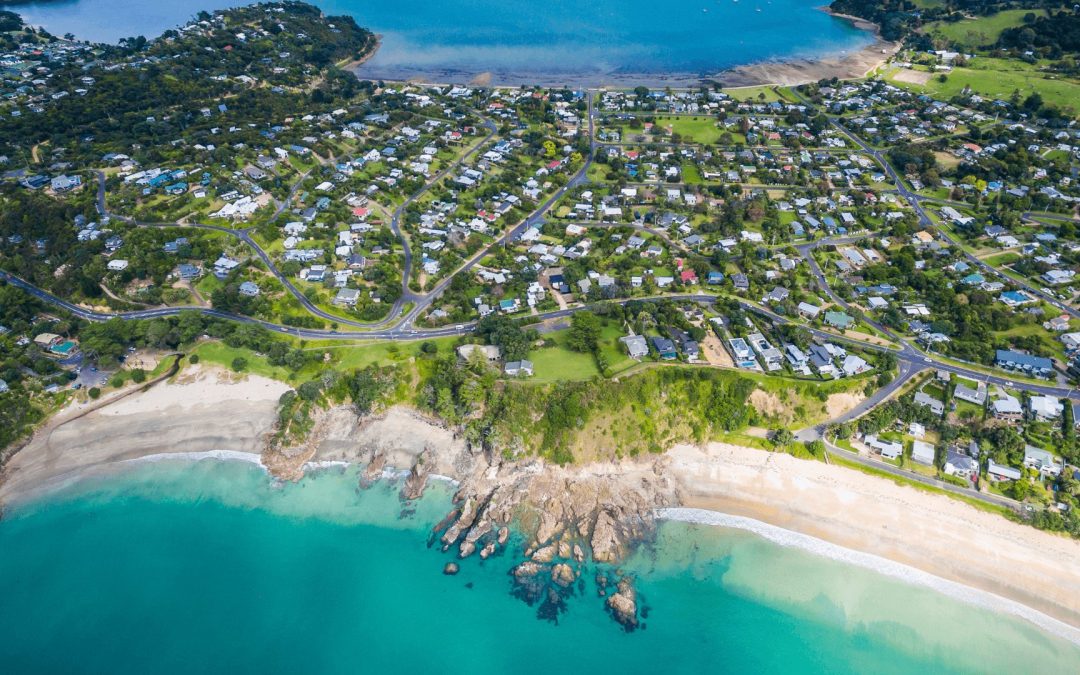
Waiheke's longest stretch of white sand curves for two kilometres, with the wide western-facing bay giving an unbroken sightline for wide shots of surf, sand, and hills; stand near the eastern dunes for the full sweep. Many Waiheke Island Tours itineraries pause here for a beach walk between vineyard stops.
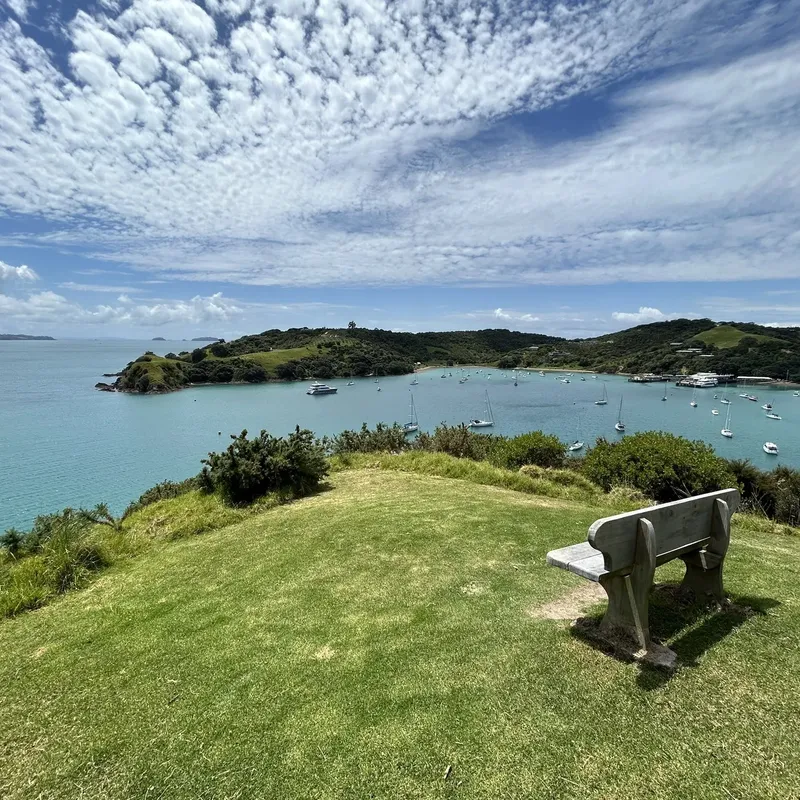
The Church Bay Circuit walking track offers multiple elevated lookouts over the vineyard-covered hillsides and the Hauraki Gulf, with Cable Bay and Mudbrick's rooftops visible below. Best framed from the ridge sections where the track nears the cliff edge.
Above the restaurant's terrace, a short walk through the potager gardens and vines leads to a trig point with a 360-degree outlook over Rangitoto, Auckland city, and the Coromandel. It's a compact, uncrowded spot best reached outside lunch service.
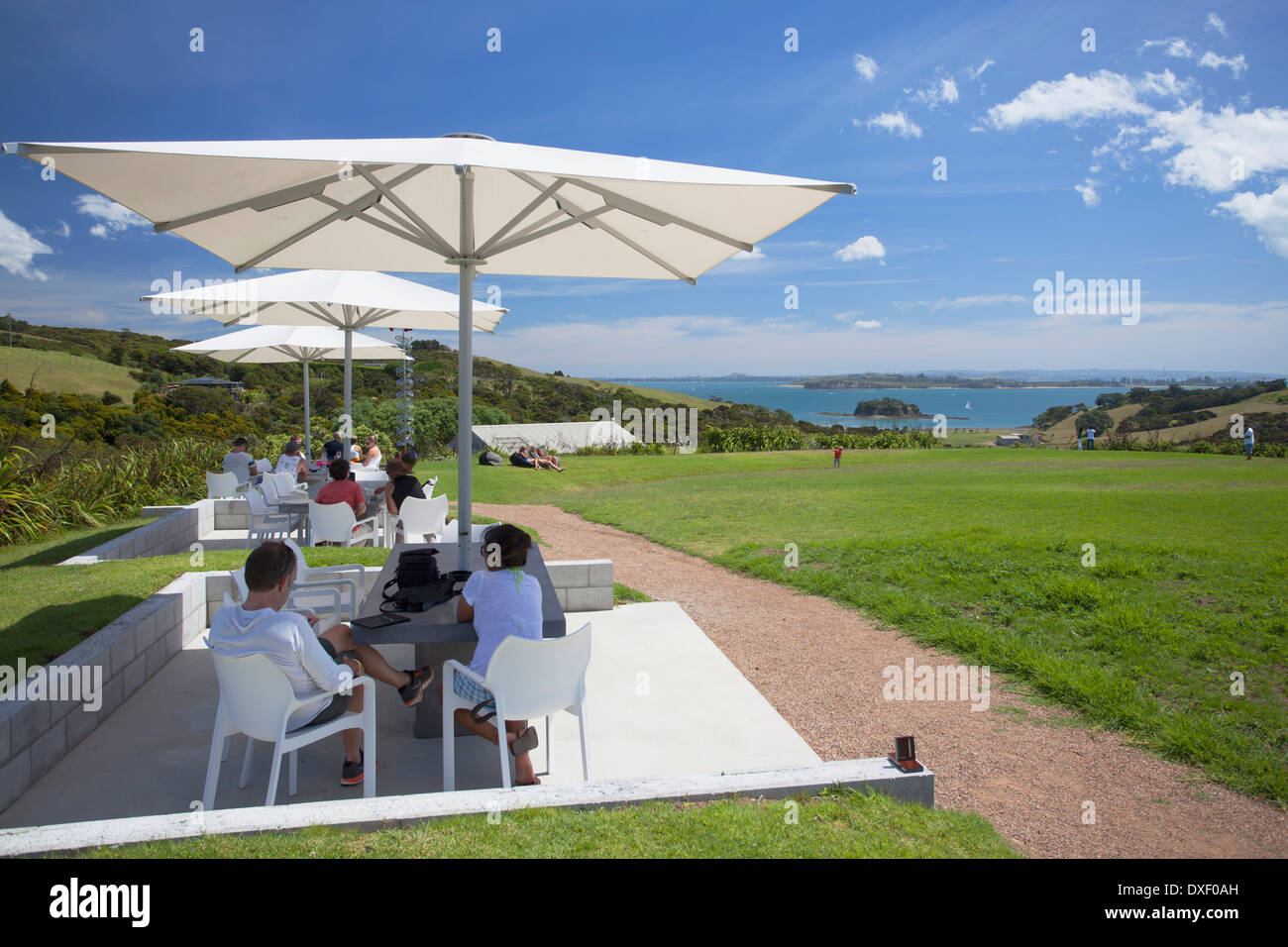
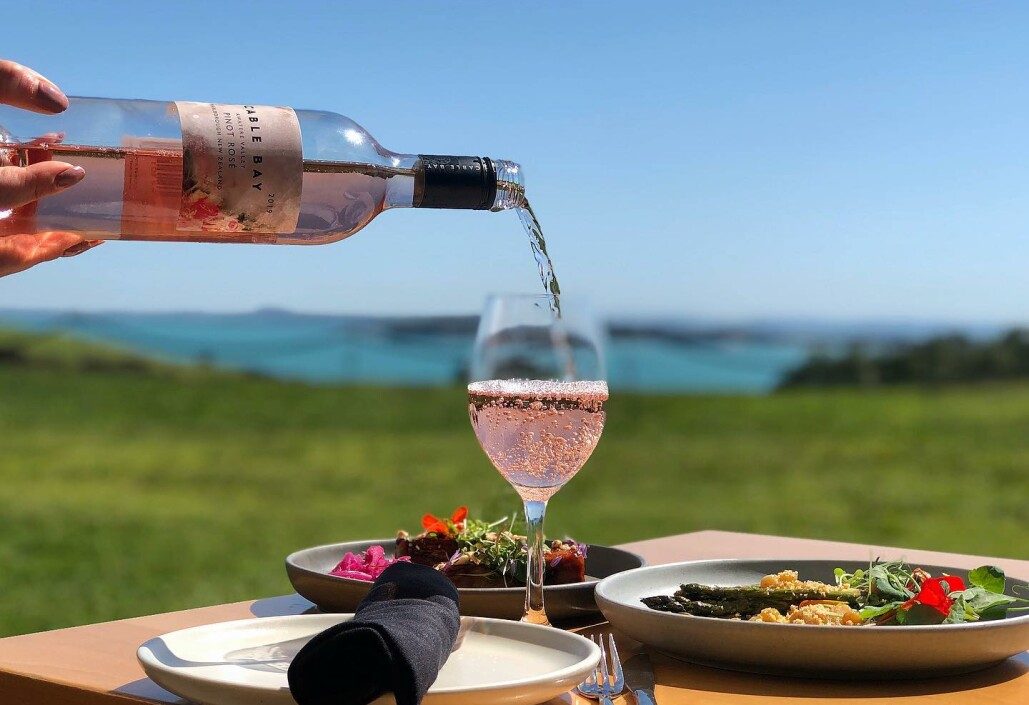
The outdoor terrace looks straight down rows of vines to the sea, a classic composition for vineyard-and-water shots; seating is reserved for diners, so casual visitors shoot from the lawn edge nearby.
There is no cafe at Matiatia Wharf itself, so most people eat where the vineyard stops on their Waiheke Island Tours itinerary take them, with an option to detour to Onetangi Beach afterward for something more casual.
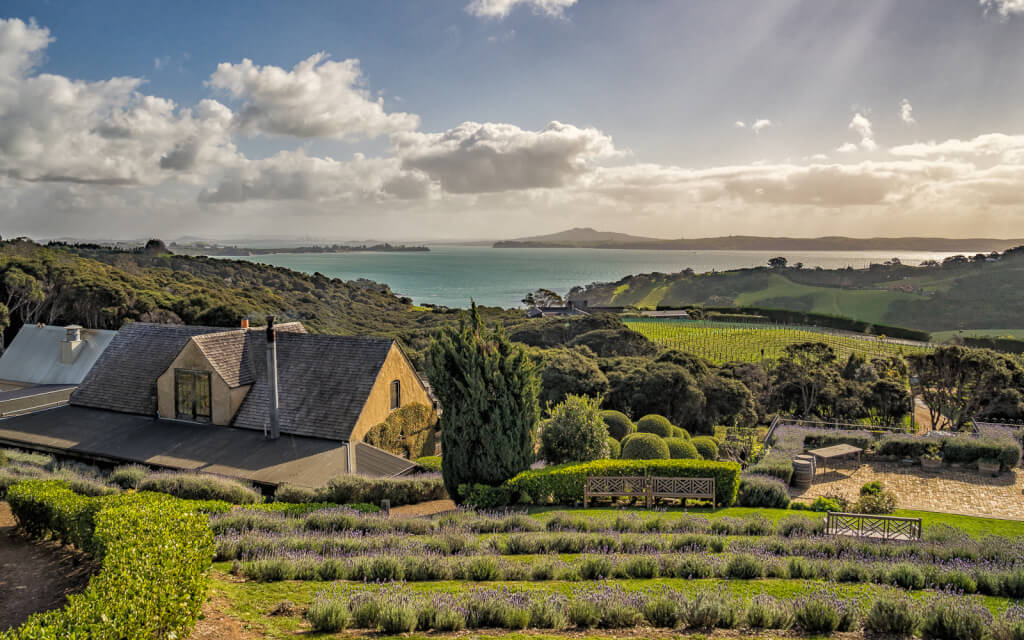
The flagship dining room does a seasonal degustation with wine pairings, while the more relaxed Archive Bistro sits in the garden among the lavender. Bookings are recommended for lunch, and it gets busy around midday when several Waiheke Island Tours tours stop nearby.
Choose the sharing-style Dining Room menu or the more casual Verandah for pizzas and slow-roasted meats from the wood-fire oven. Sea-facing lawns make it a good spot to linger after a wine tasting.
Known for its Bordeaux-style Larose red, Stonyridge has a laid-back open-air cafe and garden bar suited to a light lunch or a glass of wine between stops on a Waiheke Island Tours tour.
Perched at one of the island's highest points, Batch serves charcoal-oven dishes and shared platters alongside sparkling wine, with 360-degree views that make it worth timing a lunch stop around.
A produce-driven menu in a light, contemporary room right across from Onetangi Beach — a good option for those extending the day beyond a Waiheke Island Tours ticket and wanting a beach lunch.
Real experiences from real travelers
We booked one of the Waiheke Island Tours after reading about the coastal drive and it delivered on scenery alone. The guide timed our last cellar door for late afternoon so the light was coming sideways across the syrah rows at Onetangi. Bring a hat, there is very little shade on the terraces.
Pickup at Matiatia Wharf was five minutes after the Fullers ferry docked, which removed all the guesswork. Our small van held eight people so nobody was shouting over anyone at the tastings. The Hauraki Gulf views on the road above Church Bay were the part I keep describing to people back home.
A guided Waiheke wine tour felt like the right way to see the island without renting a car on unfamiliar left-side roads. Our driver knew the growers personally and explained why the maritime climate suits syrah here. Cool wind off the water in autumn, so a light jacket helped.
Solid organisation and a knowledgeable guide, though the day runs longer than the listing suggests once you add the ferry both ways. The olive grove stop was an unexpected highlight and the tasting there was more relaxed than the vineyards. I would have liked one fewer stop and more time at each.
Standing at the top of the vineyard slope with Rangitoto sitting out in the gulf is what I remember most. Our Waiheke Island Tours tickets covered all tasting fees, which saved fumbling for cards at each cellar door. Roads are windy so sit up front if you get carsick.
Went in the middle of winter and had most tasting rooms almost to ourselves, which suited us. The guide adapted when rain came through and swapped an outdoor stop for a barrel room. Green hills, wet gravel, woodsmoke — very different from the summer photos but no worse.
The drive between Onetangi and Oneroa has water on both sides for long stretches and our guide pulled over twice for photos. Waiheke Island Tours tours seem to have this route dialled in after years of running it. Pohutukawa were still flowering red along the cliffs in February.
Honest review: the wine was good rather than extraordinary, but the guide's commentary on island geology and the old vineyards is what lifted the day. Views over Church Bay from the hilltop are genuinely wide open. Wear shoes you can walk on gravel in.
Caught the 9am from downtown Auckland and the Waiheke Island Tours tour was waiting at the terminal as promised. Four stops, none rushed, and the guide handled dietary questions without fuss. The last stop looked west so we watched the sun drop toward Auckland across the gulf.
A Waiheke wine and coastal tour packs more variation into one island than I expected — vine terraces, olive groves, then white sand at Onetangi. Our group of six fit comfortably in the van with room for bags. The guide pointed out Rangitoto and Coromandel on a clear morning.
Everything you need to know for your journey
Waiheke Island Tours run daily from 09:00 to 17:00, seven days a week.
There is no entrance fee for the island itself; Waiheke Island Tours are booked and priced directly per tour rather than through a gated attraction.
Guests should arrive at Matiatia Wharf between 10:00 and 10:30, timed to the morning ferry from Auckland.
Vans have standard step-up entry, so guests with mobility needs should call +64 800 672 748 ahead of booking to arrange suitable stops.
Glass containers, outside alcohol, drones without permission, and large suitcases are among the items best left behind on Waiheke Island Tours.
Personal photography is welcome throughout the day, though some vineyards restrict tripods or commercial equipment on their private grounds.
Spring and autumn offer milder weather and lighter crowds, while summer weekends between December and February are the busiest period for Waiheke Island Tours.
Casual, comfortable clothing with closed-toe shoes is recommended, since several stops involve short walks over gravel or grass.
Children are welcome, though the wine-tasting focus of most itineraries suits older children and teens better than toddlers.
Wine and food tastings are included at scheduled vineyard stops, typically with a shared platter or lunch built into the day.
Matiatia Wharf, Waiheke Island, Auckland 1081, New Zealand is reached by a 35–45 minute ferry from Auckland's Downtown Ferry Terminal.
Bookings can be cancelled or rescheduled free of charge up to 24 hours before pickup, with a full refund to the original payment method.
Oneroa Village, Church Bay Headland, and Stony Batter Historic Reserve are all within a short walk or drive of the Matiatia Wharf meeting point.
Waiheke's main village center with shops, cafes, and galleries along the beachfront strip. It is a common free-time stop after morning vineyard visits.
The main arrival and departure hub for most visitors, with a small information kiosk, cafe, and bus connections.
A coastal headland walk near Oneroa known for Pohutukawa-fringed cliffs and Hauraki Gulf views, and the site of the biennial Sculpture on the Gulf exhibition.
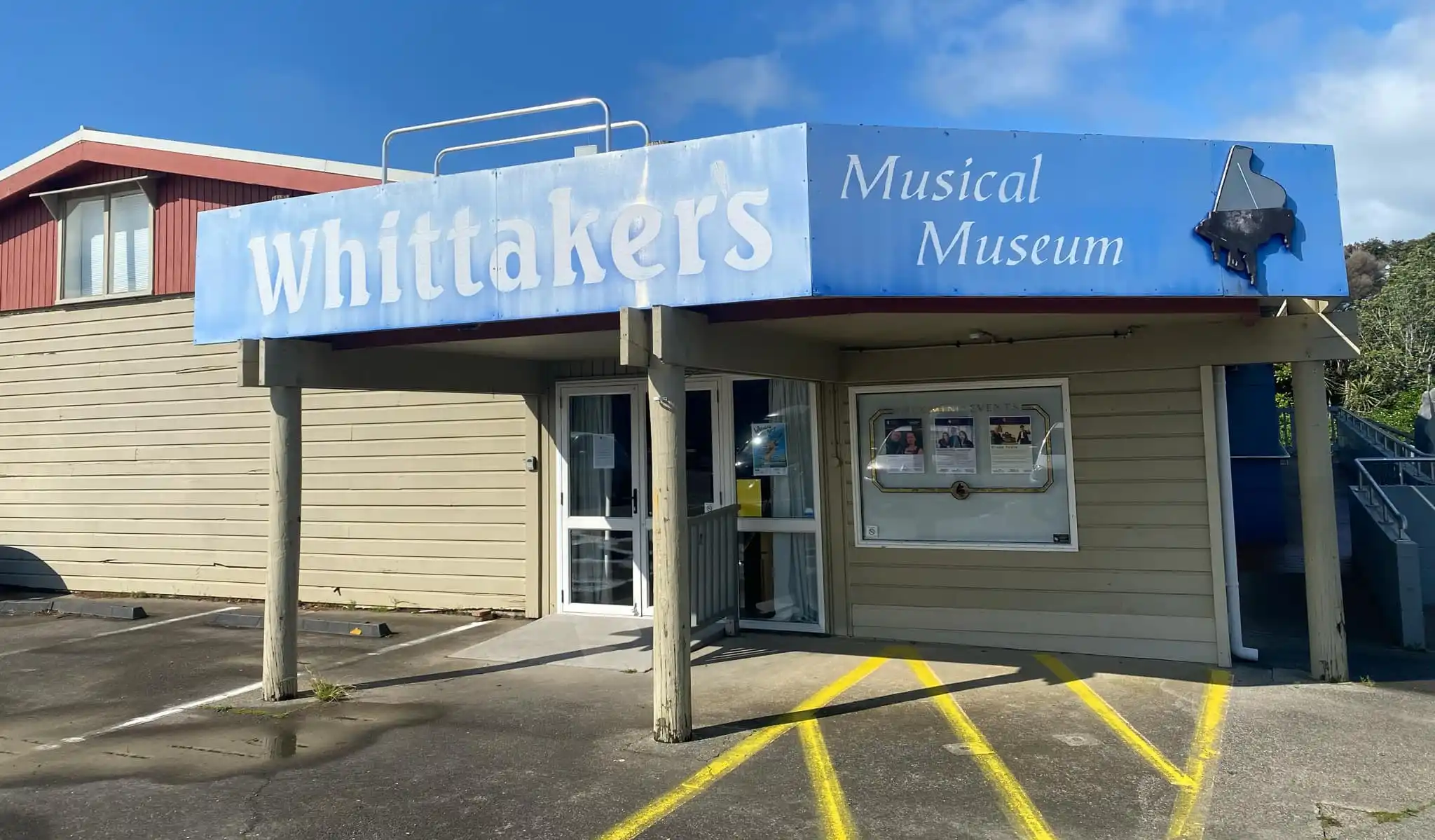
A small museum in Onetangi housing a collection of antique musical instruments and mechanical devices.
A World War II-era gun emplacement and tunnel complex on the island's eastern end, managed by the Historic Places Trust.
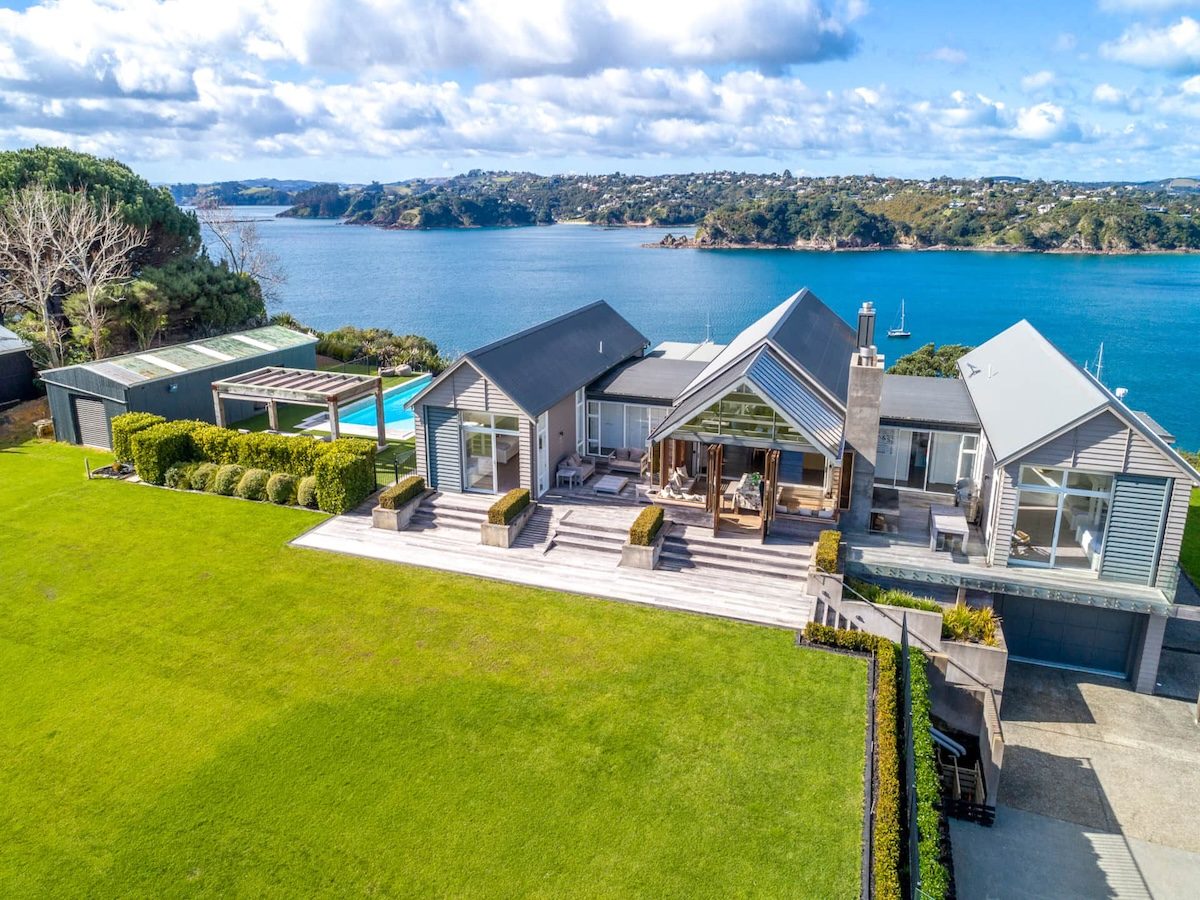
Waiheke's main village area with a mix of boutique lodges and self-contained apartments close to shops and beaches.
A beachfront district known for boutique guesthouses and holiday homes facing Onetangi Beach.
A residential district with mid-range holiday rentals within easy reach of Matiatia Wharf and central Oneroa.
Join thousands of happy travelers who have discovered this incredible experience
Book Your Experience Now